




Becca's ITP Sketchbook
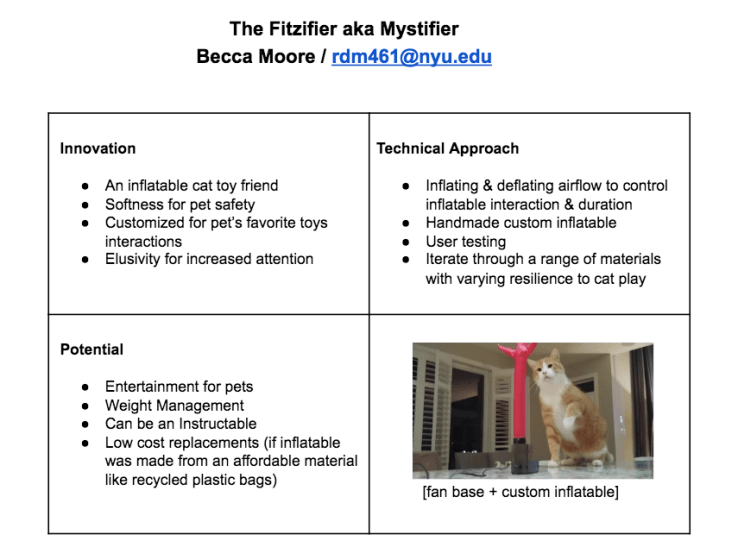
Do you want it to be a hand pumped mechanism or an automated experience?
Do you want it to function by itself?
What scale would you like?
Whats the air control connection?
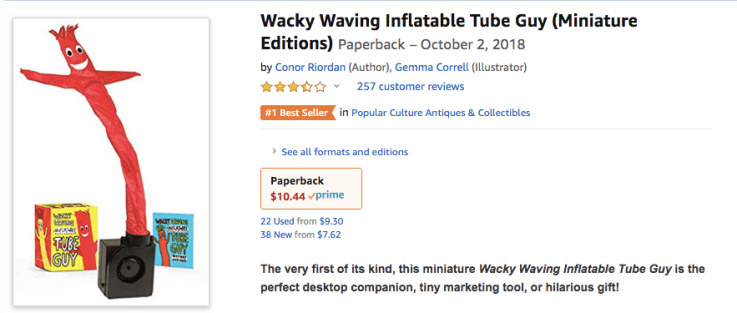
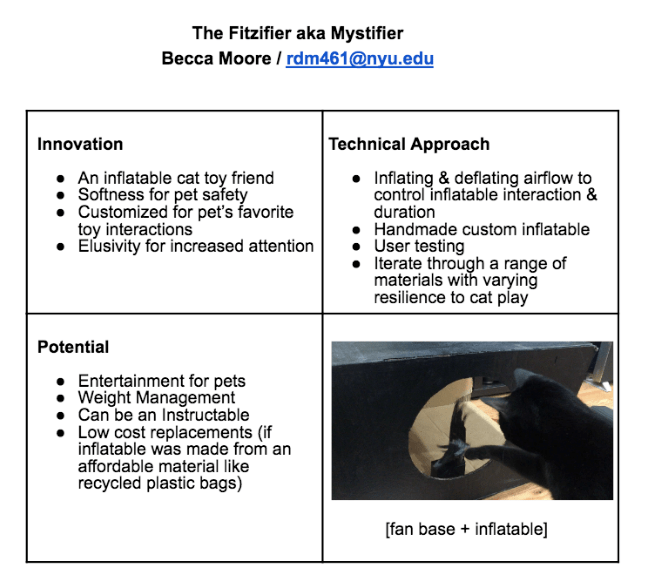
** pet safety **
How do You know when it works?
**temperature, time, pressure, cold clamp
***using alum to cool down
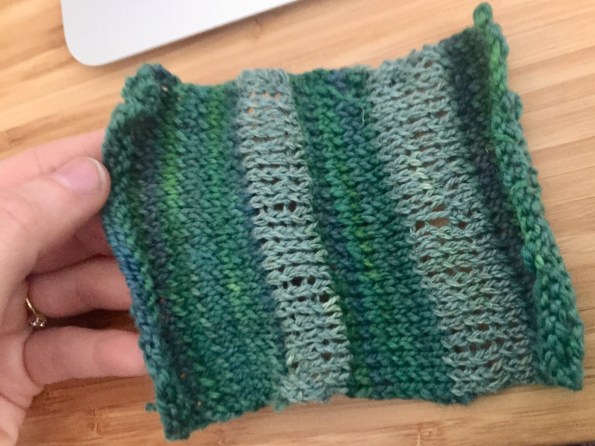
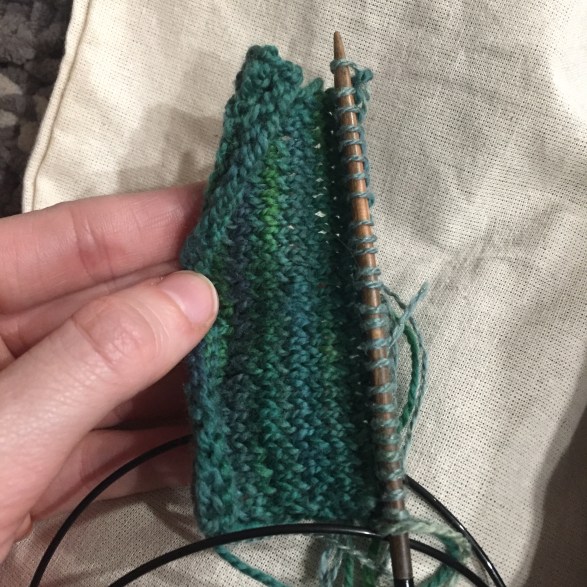
For my final project I would like to explore the world of E-textile Knitting. The final concept is a shawl that is knitted to match a specific spot in nature like a spot in prospect park. And the capacitive touch spots / analogue sensors could trigger audio recordings of that location. The colors (and ideally the pattern – but being newer to knitting would most likely be tied through color palette)
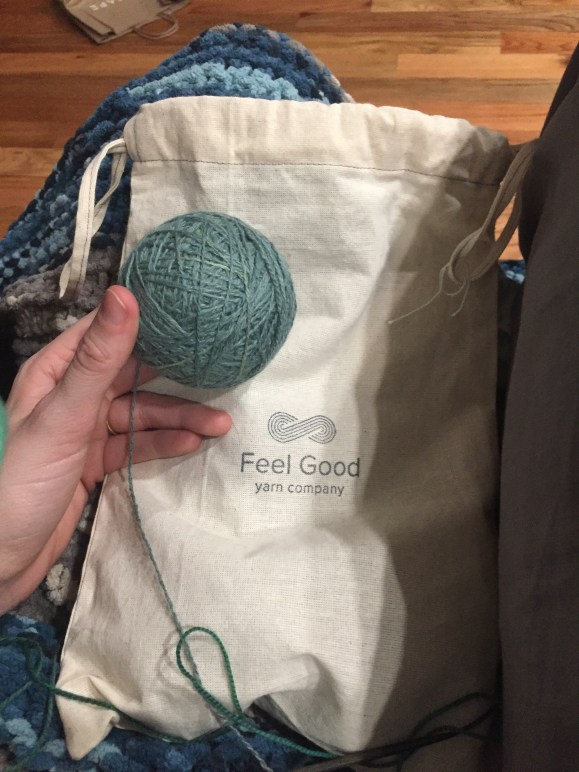
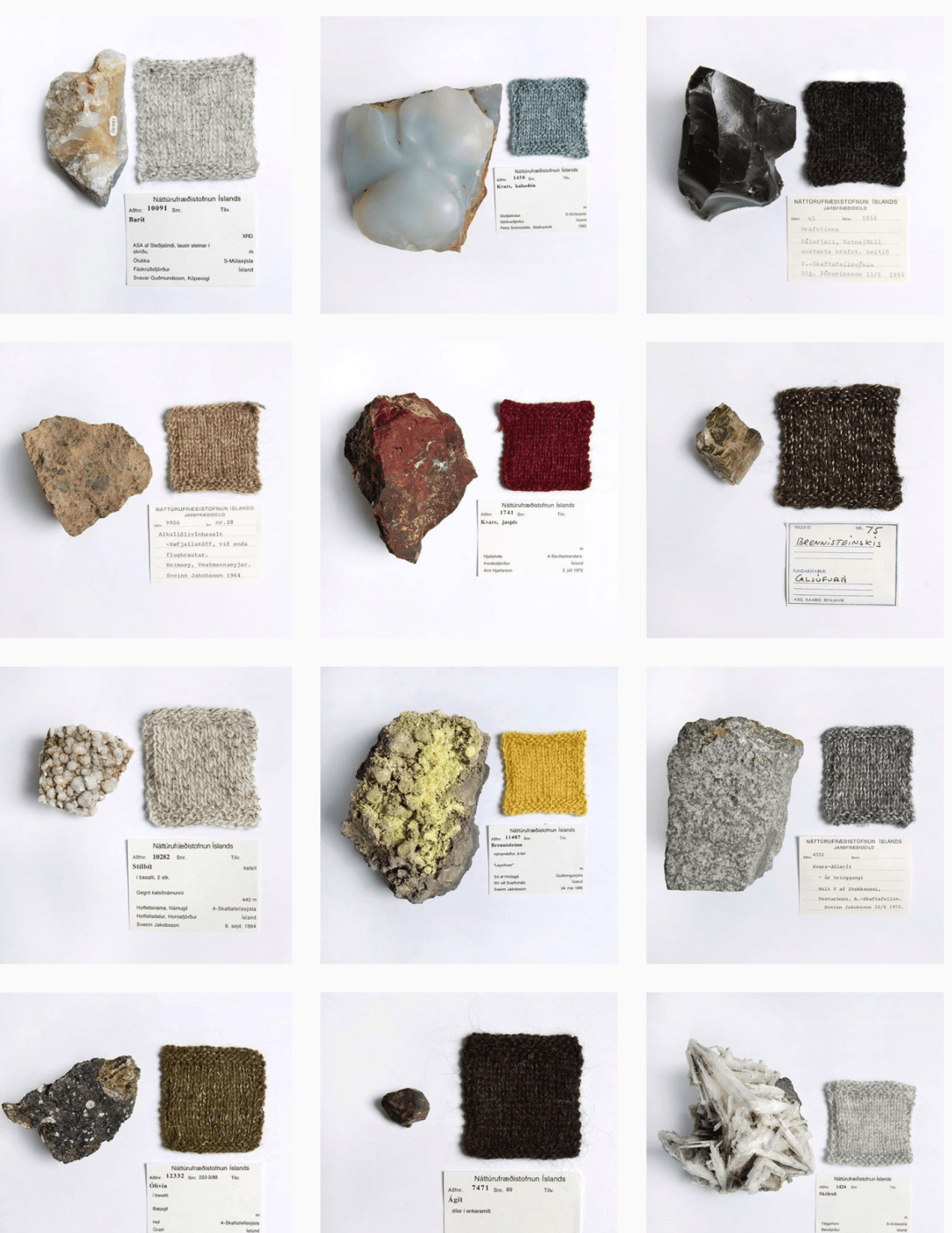
Inspired by Einrúm, an Icelandic company that creates yarns and patterns inspired by the natural environment. During our Environment class I was inspired by the idea of increasing the lifespan of an object through customization or having the item individualized. I was reminded of Einrúm’s yarn’s particular ability to pull on a personal connection of place through pattern.
Already certain clothing items can function as portals to specific moments or life experiences. For this project would like to connect it back to nature – although sometimes our connection to technology feels like its pulling us away from nature, technology is just at tool and can also have the ability to enhance our relationship with it.
[ below is a knitting pattern inspired by Basalt rock columns. and there are examples of swatches inspired by specific Icelandic geology]
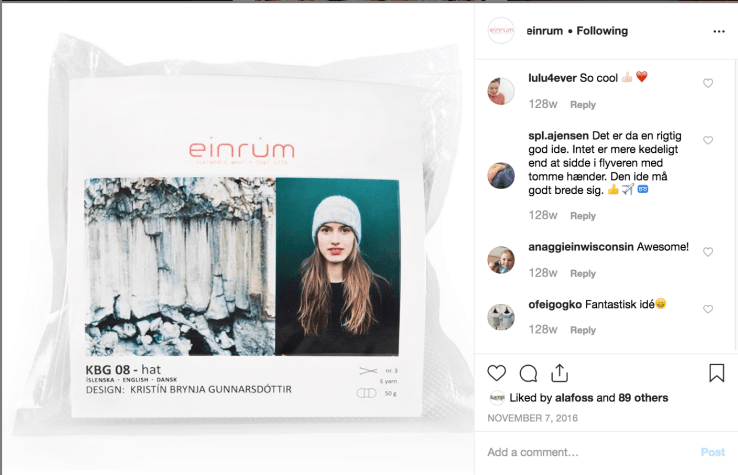
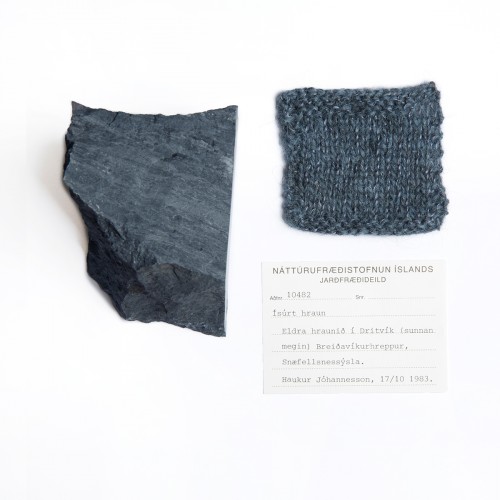

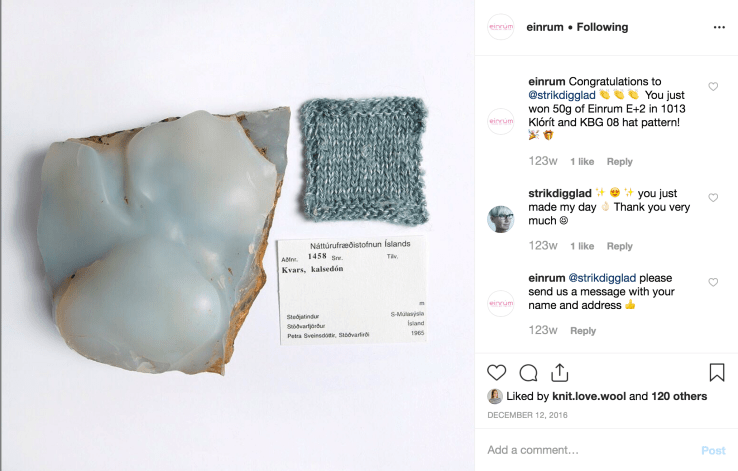
For final concept shape was thinking of something along the Elementary wrap pattern by Purl Soho but also know that I’ll most likely present polished swatches / a larger test area ❤
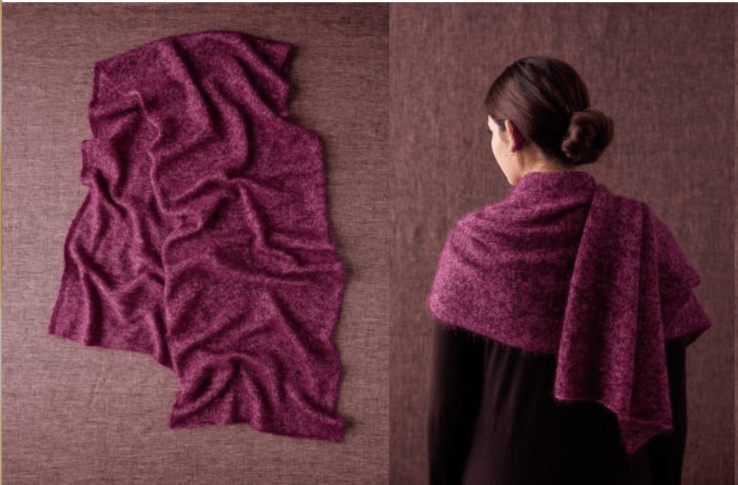
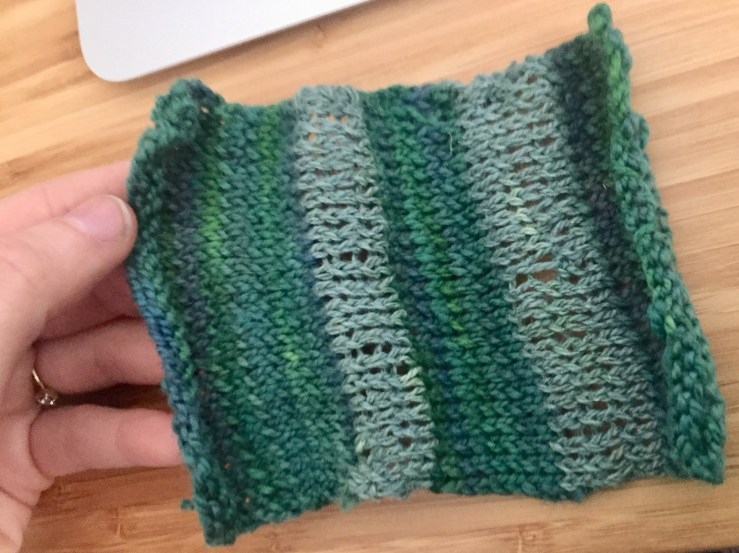
[Another variation would be more on the healing side where maybe like Jingwen’s heat jacket, there’s a heating element on the inside. For people navigating back pain sometimes it would be nice to have a shawl that feels wearables verses a heating pad thats attached to an outlet or a quick stick on pad or one of the bulkier neck wraps. ]
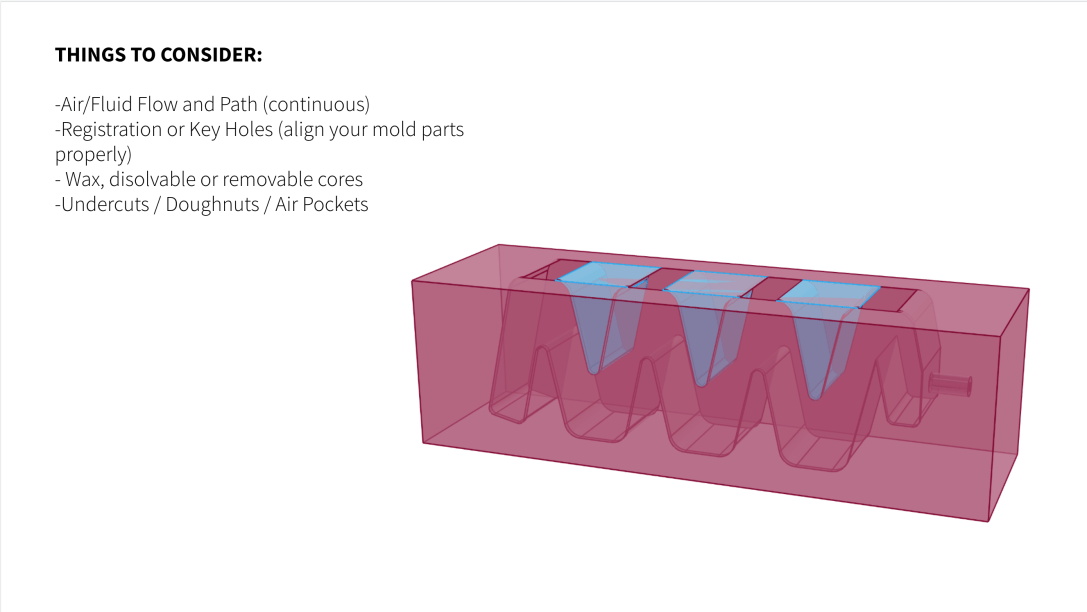


For this week we were to design our own mold. Being newer to 3D printing I knew i wanted to dive straight in at least with a cardboard prototype to solidify my understanding of some of the mold making techniques introduced in class last week.
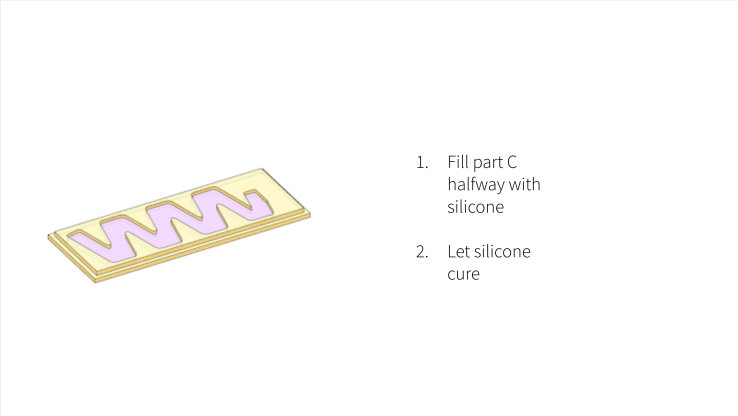
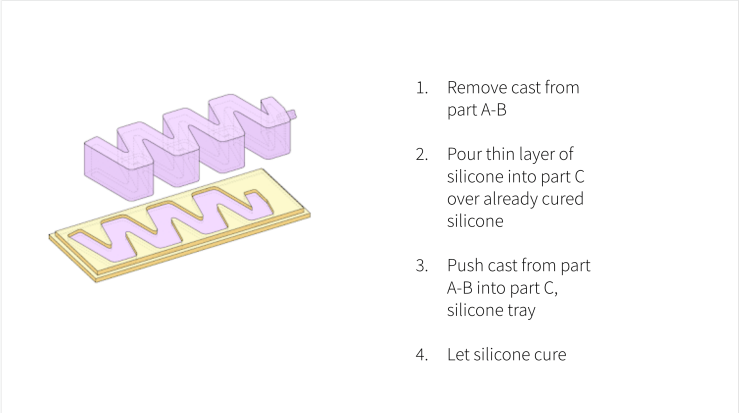
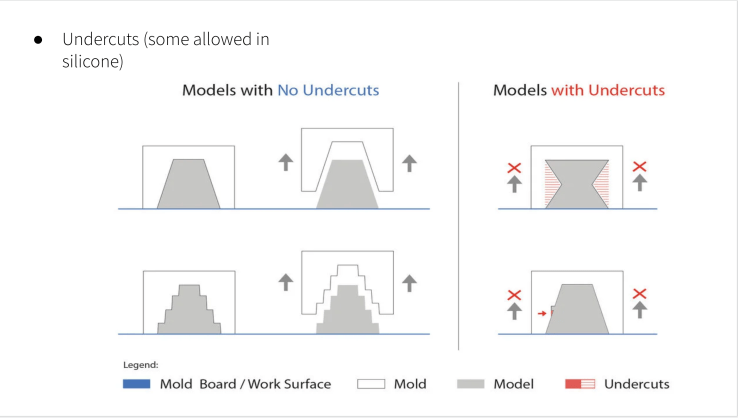
I just got trained on the 3d printers at Tandon and am excited for trying 3d printing in the future ❤ I decided to try the 3 part mold w/core, hoping to create a Starfish shaped grabber / inflatable actuator. I included the slides from class I was inspired to try below from Kari’s Week 4 lecture Introduction to Silicone Mold Design Concepts and Approaches
\
I ended up using more Silicone than I had hoped due to the cardboard walls leaning outwards and a leak in the center, maybe around 150 -180 vs 100, would definitely design a smaller mold for the next step.
Lessons Learned:
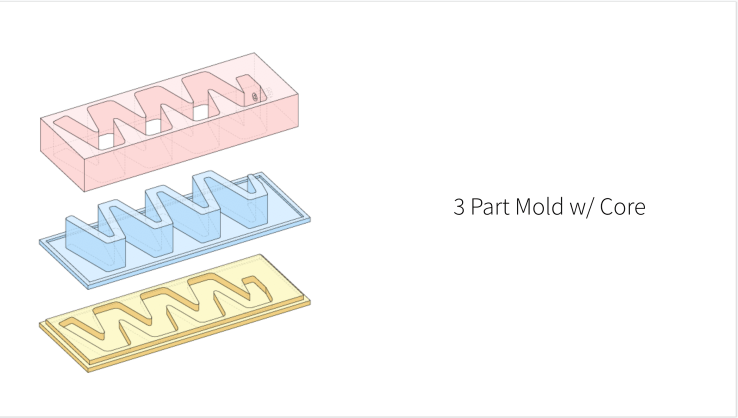
Thinking about a 3 part mold cast. Slides are from our Week 4 class with Kari love. See slide here 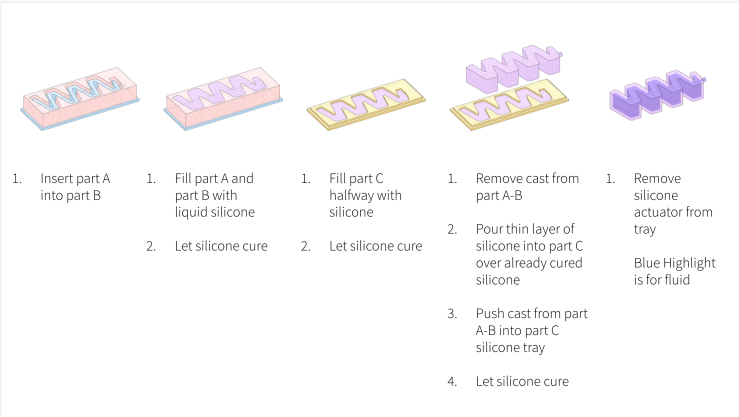



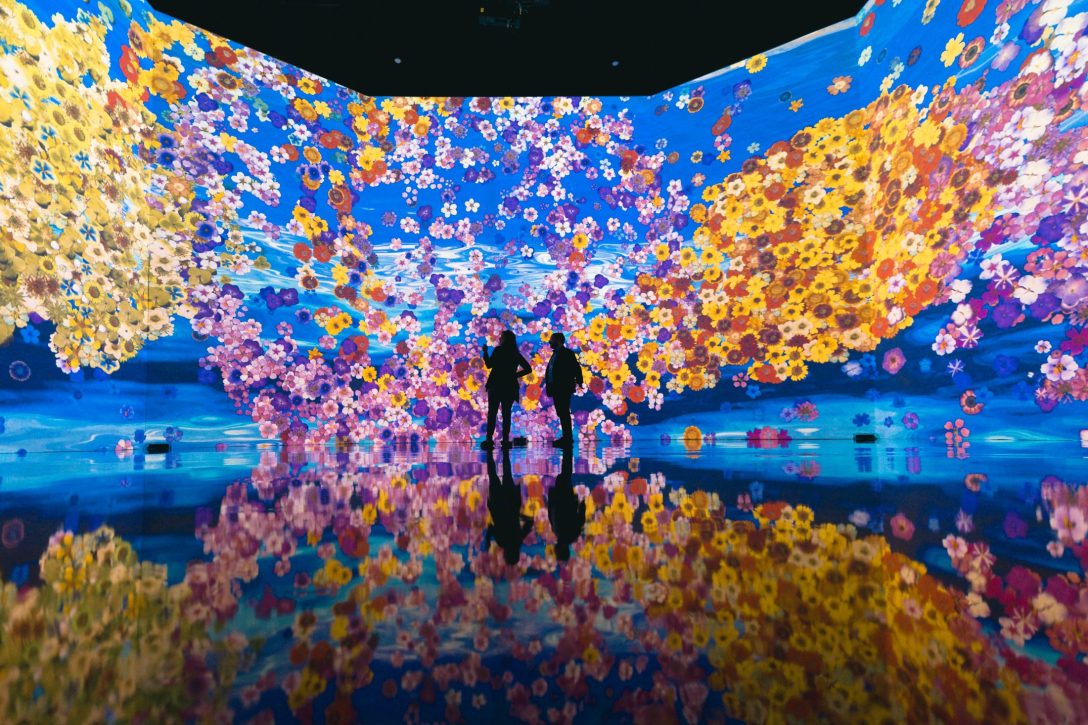
A couple of us after our LOC visit went to the Artechhouse Cherry Blossom show. It had 5 different pieces to interact with – more soon ❤ ( img from blog ihitthebutton)
Week 4 Assignment
_______________________________________________________________________________________
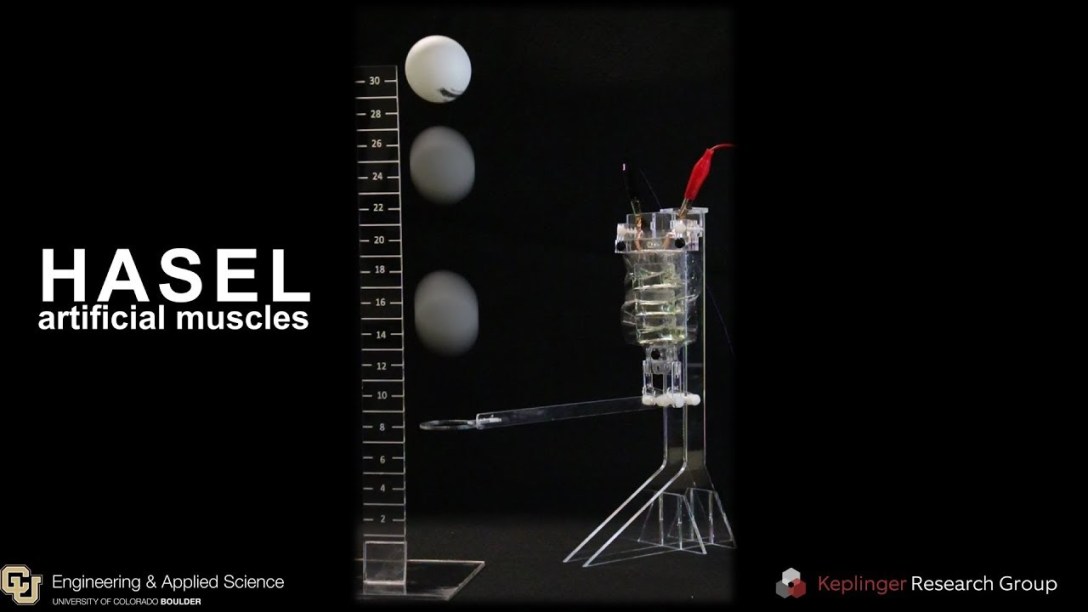
Hope to think about a HASEL actuator variation this week ❤ Still deciding what sounds fun for the final
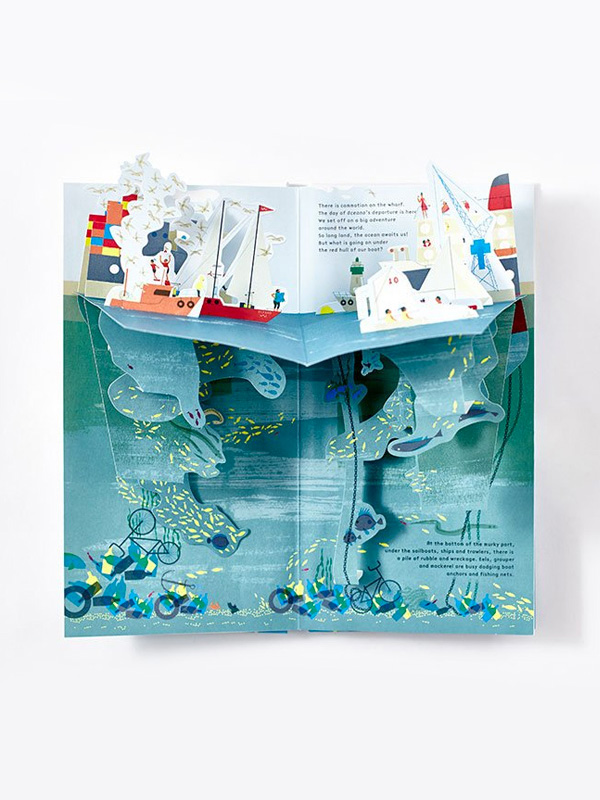
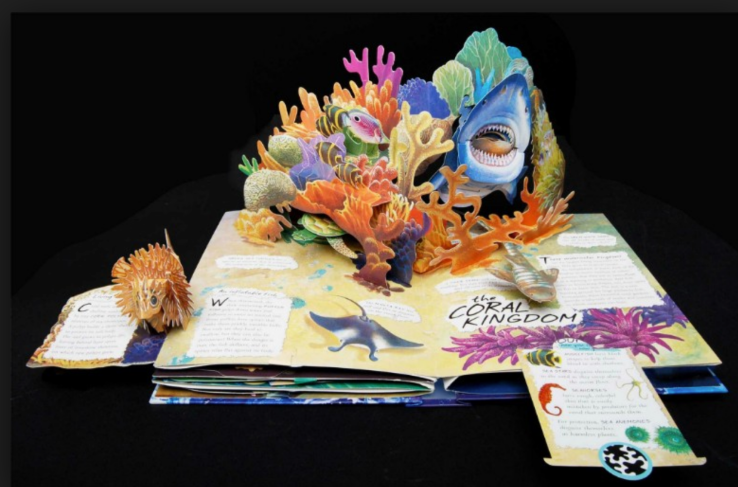
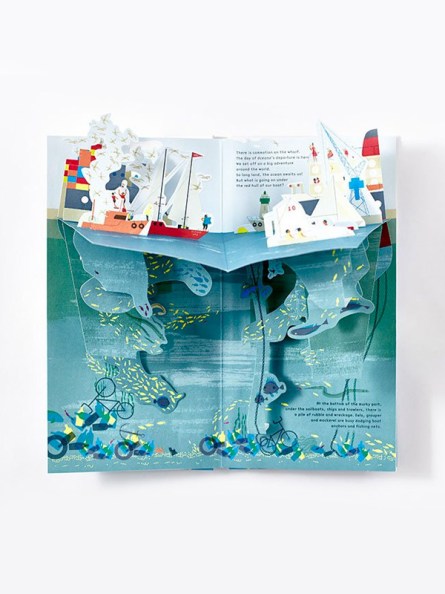
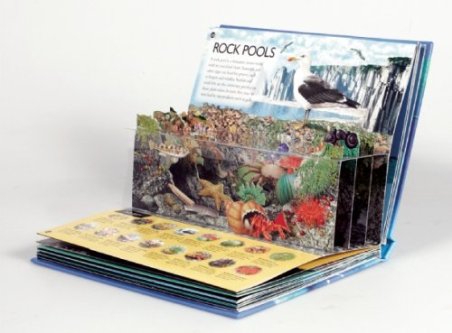
Educational popup spreads – Imagining the popup in the style of Wild Oceans by Lucio Santoro, Meera Santoro

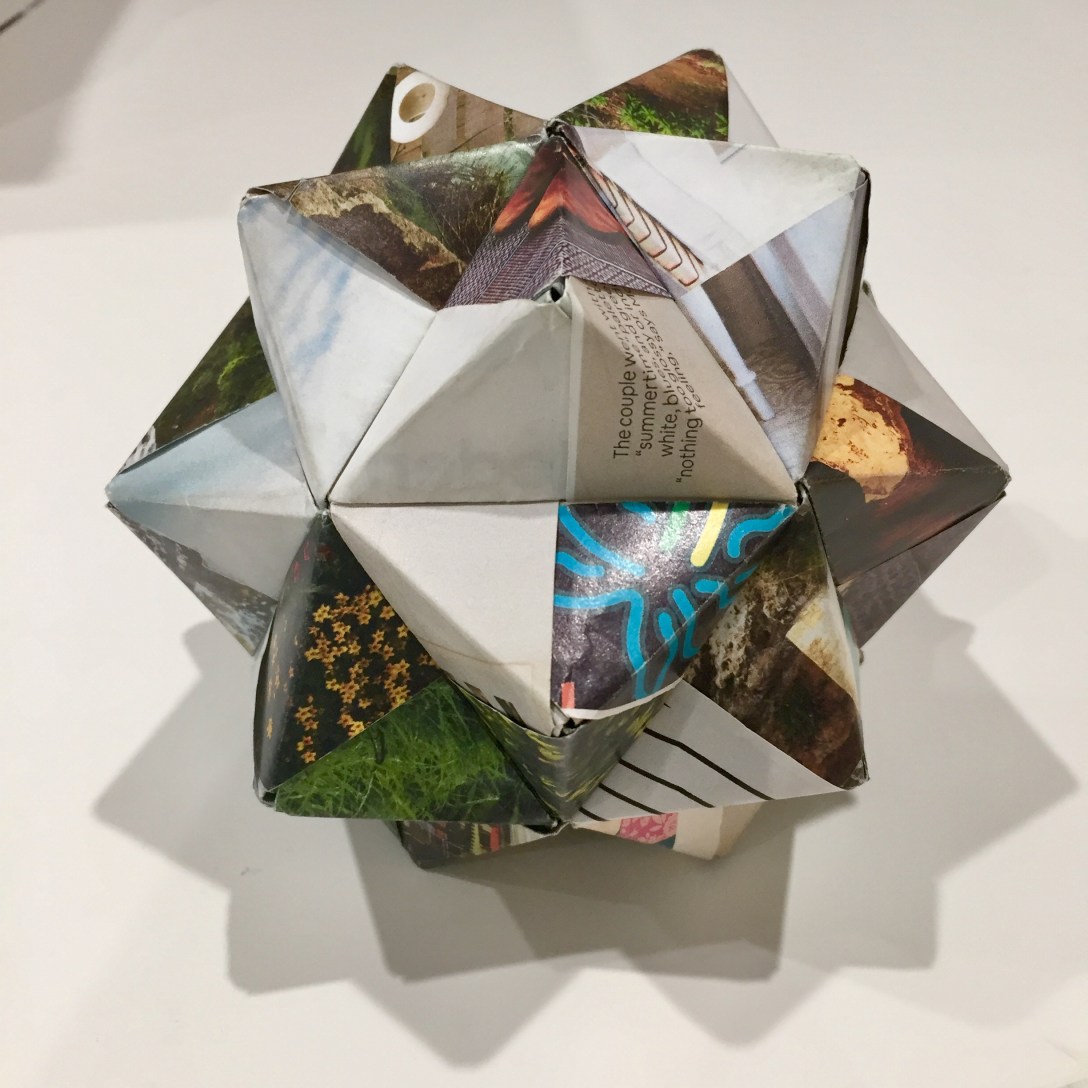
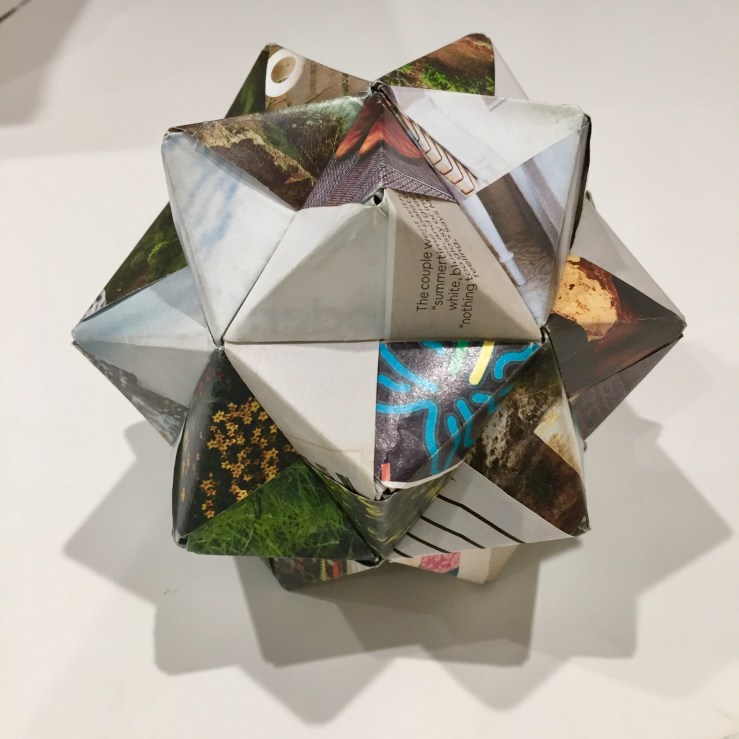
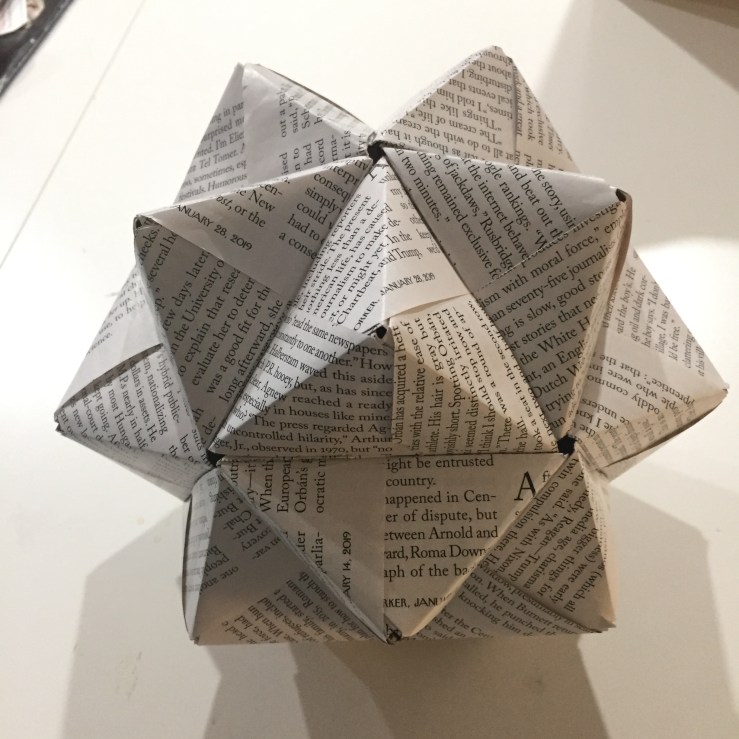
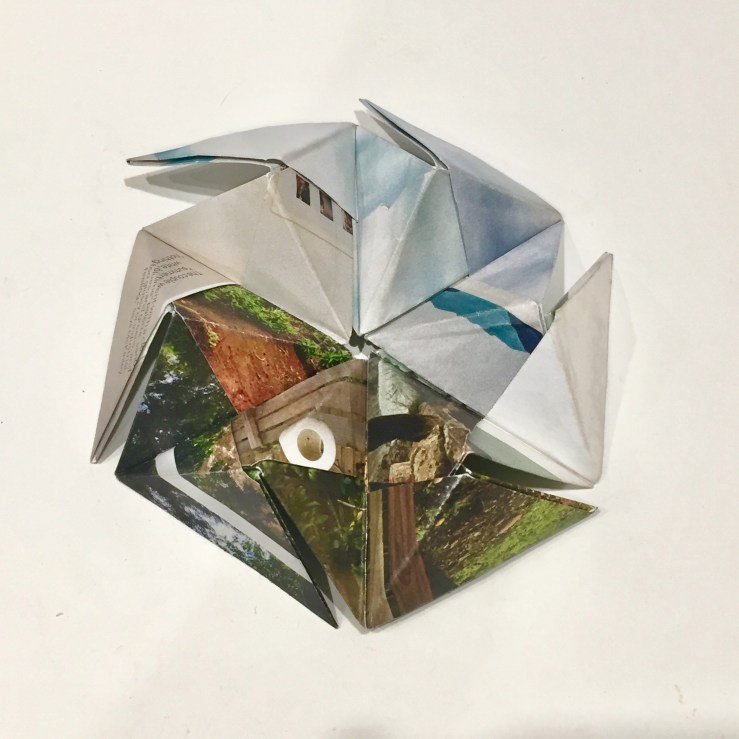
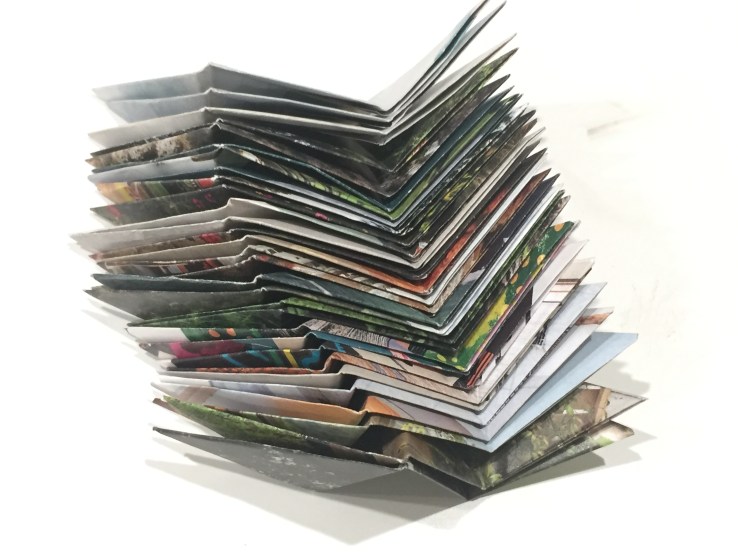
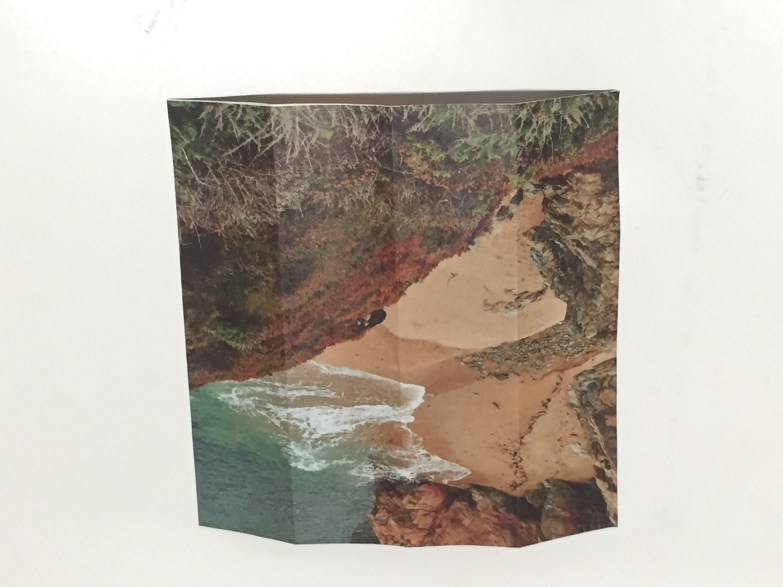
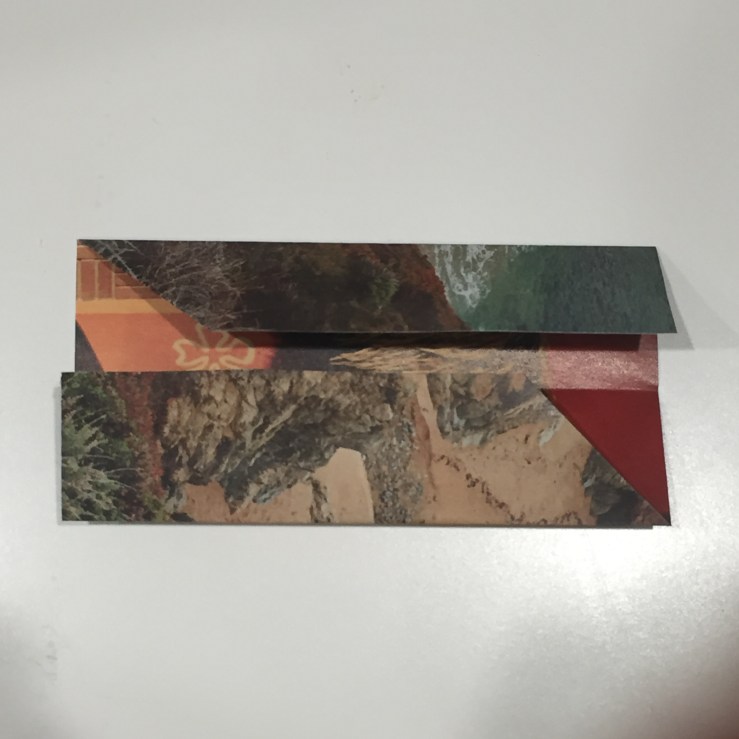
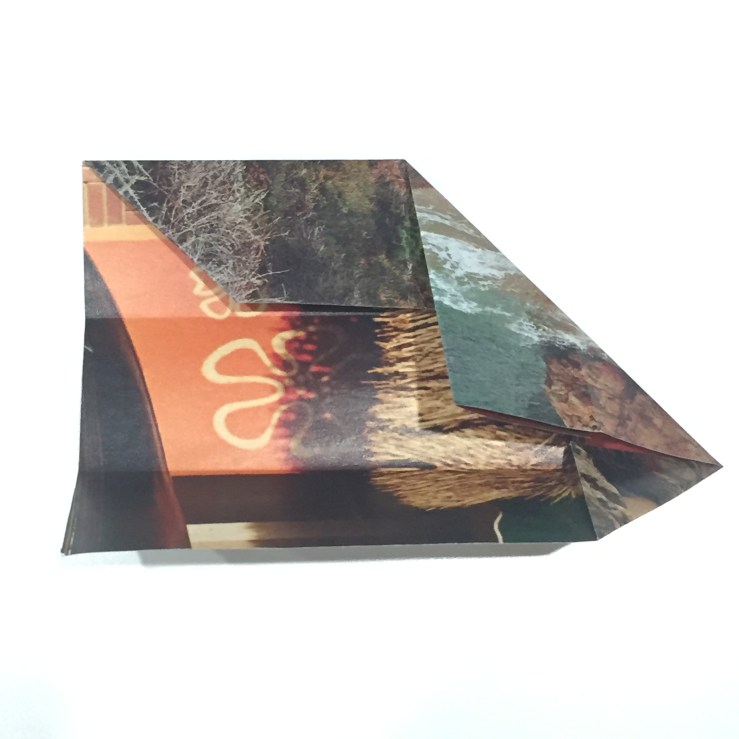
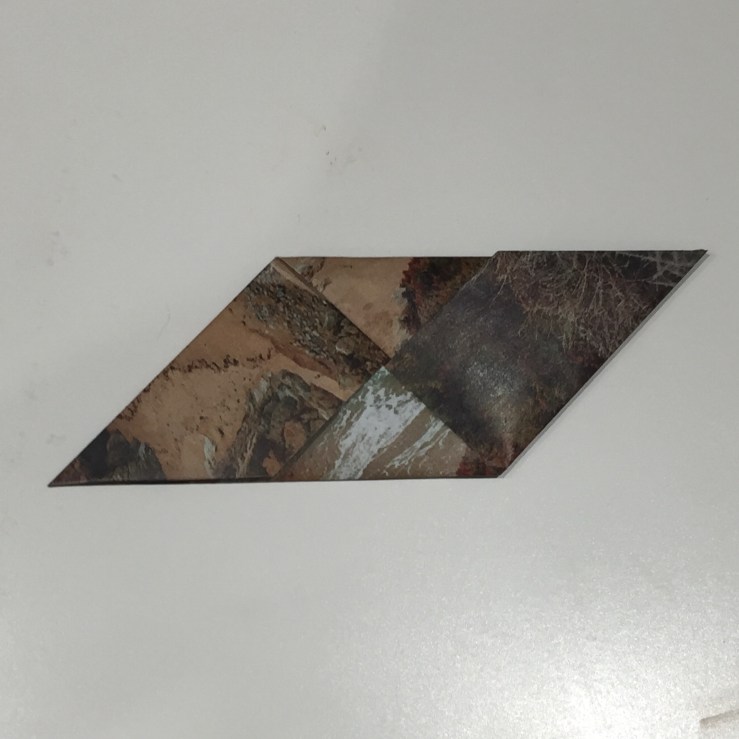
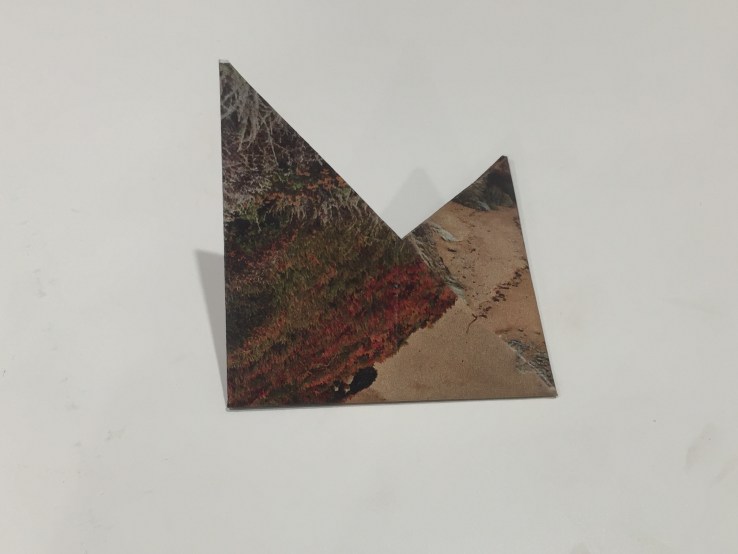
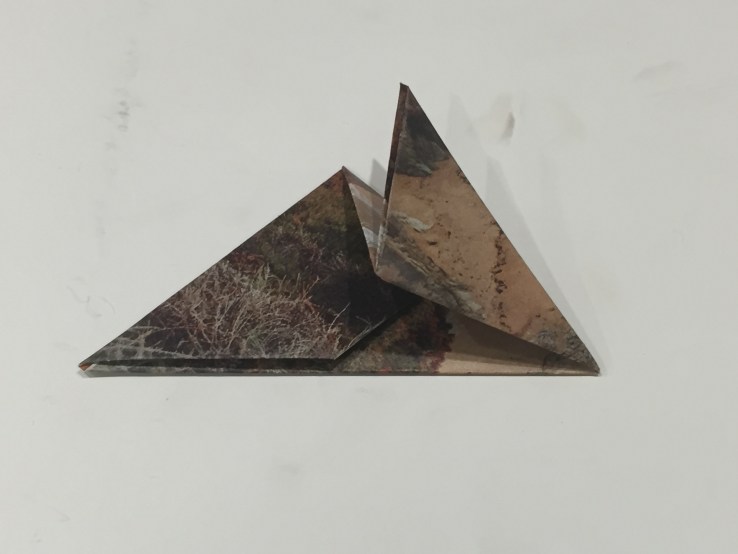
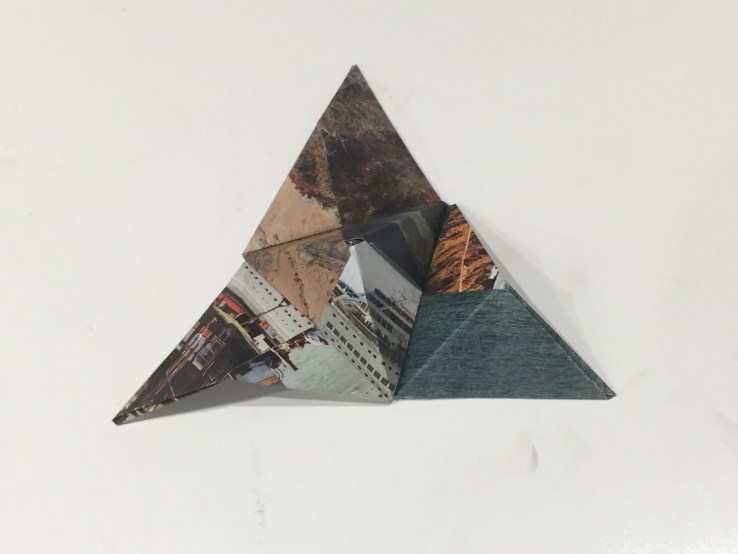
For this week’s assignment: Make something modular I decided to revisit the Sonobe Origami unit Sam introduced us to in class. He mentioned that it’s a common building block for many shapes. In class he had us fold a single one, and then as a group assemble our individual pieces into a cube.
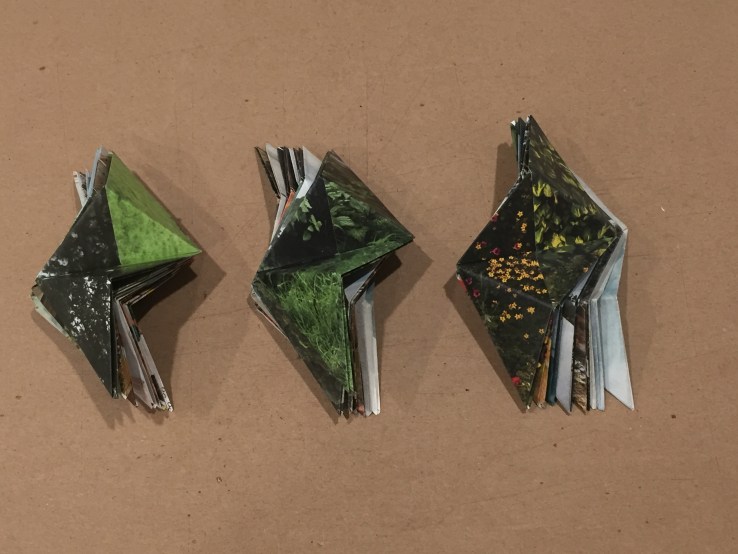
After some googling of sonobe unit shapes I came across the Modular Origami Icosahedron from 30 Sonobe units! See inspiration post here. Although I really love the color study ones, but knew I should take it slow and start with understanding the form.
These Icosaherdon’s are made from cut squares from old magazines. The two links below really helped remind me what we folded in class & how to then make the Icosahedron.
I really enjoyed the all text one as a poetic way to interact with text & create new coincidences of story and word pairs from the random weaving of the text sheets.

+ Intro to Wearables
Medical / Industry Professional environmental ware
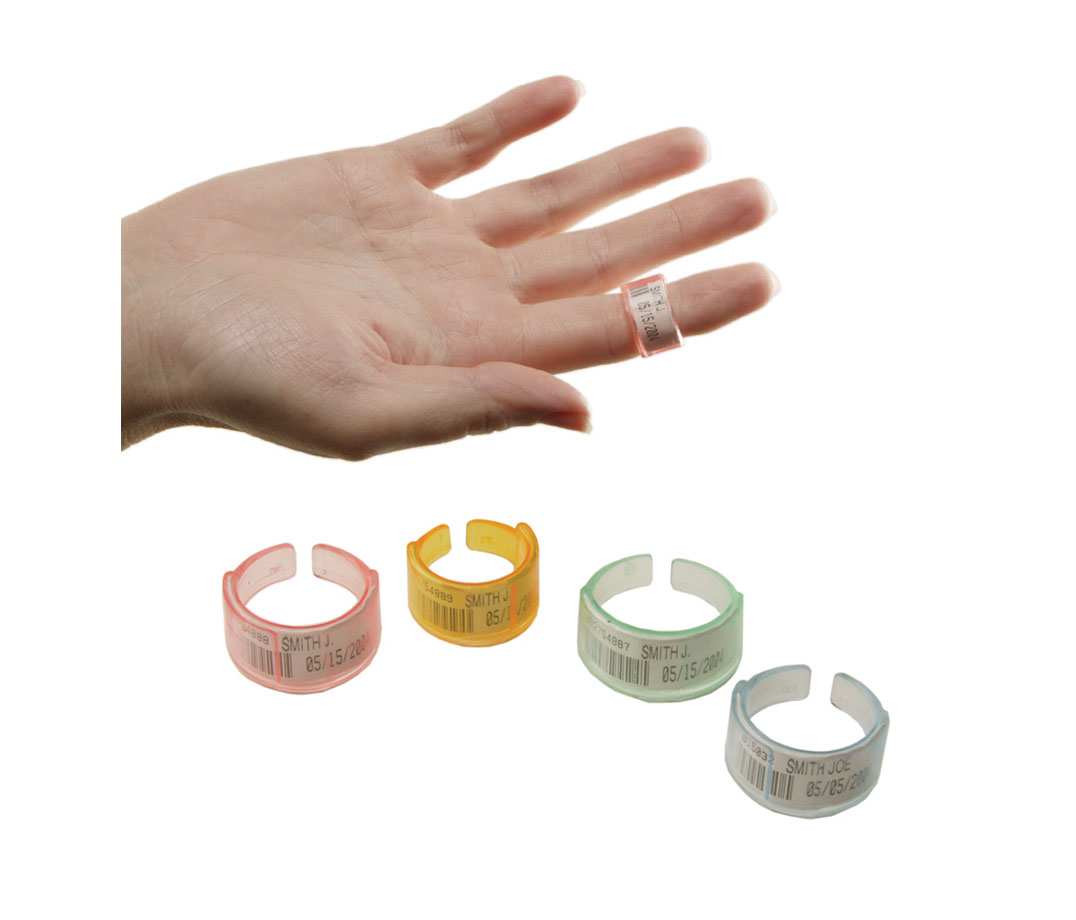
When talking through the Express a new sense assignment from Wearables, Jasmine was reminded of various radiation detector wearables used for industry professionals to monitor their exposure. When l looking up the patches she mentioned I came across the ring versions meant for people who do bench work / hands are more often exposed than say the rest of their body / so more adequately monitored if on their hands?
We also talked about
+ Artist in the Archive
 30 KM/s