
Link to Southern Mosaic Project by Aditya Jain


Becca's ITP Sketchbook
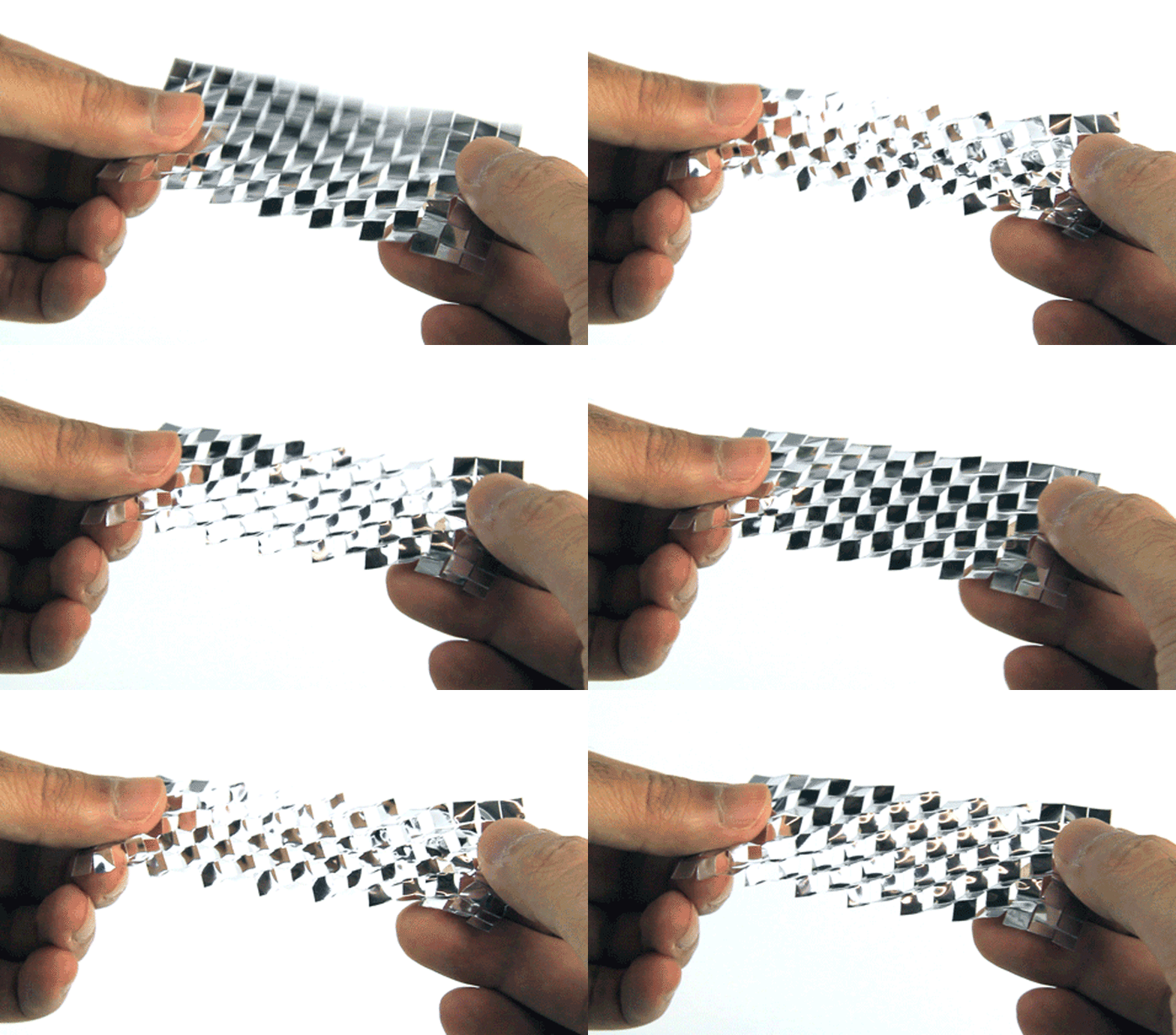



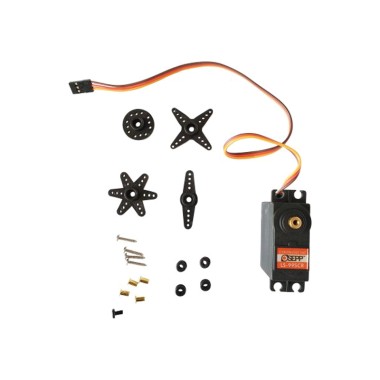
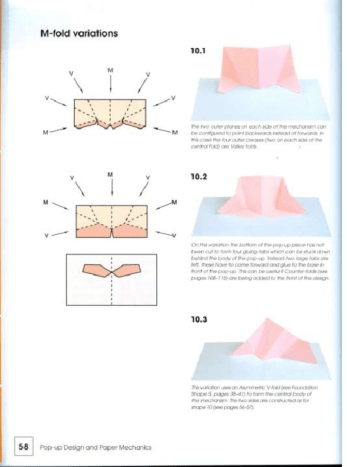
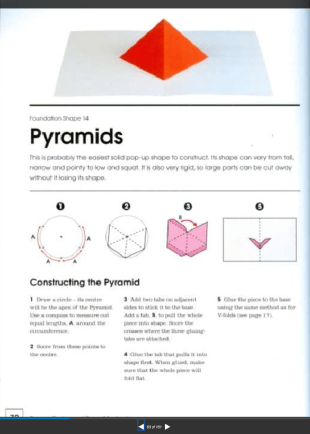
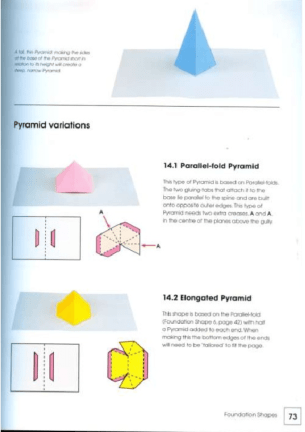
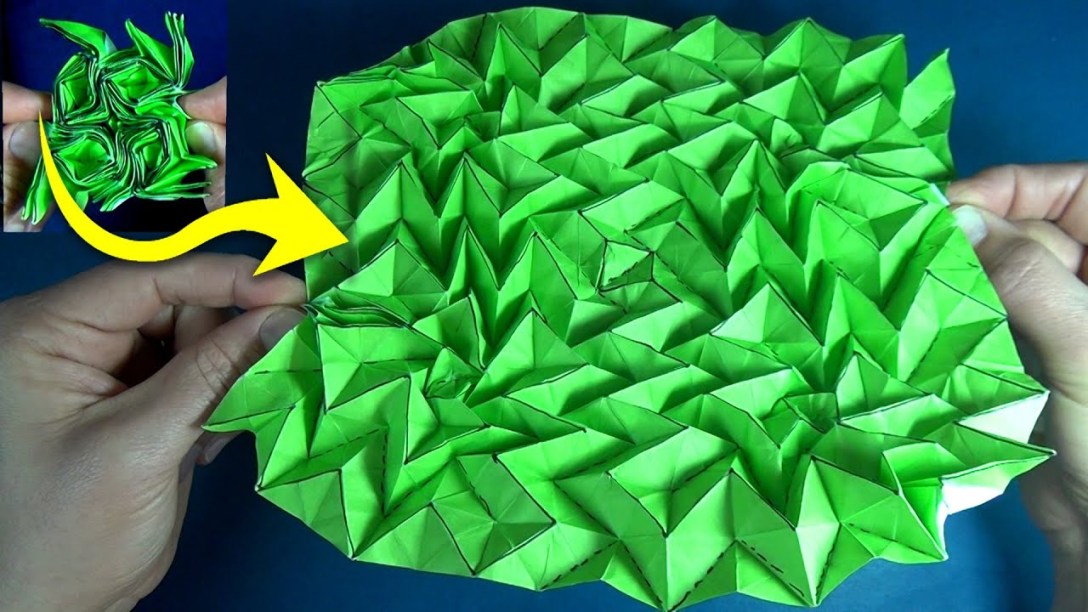
Thinking about servo-assisted paper engineering applied to clothing, and how the benefits of popup books can help reveal and disguise certain elements onto a garment. Maybe when it unfolds? It reveals another eye like Eyespot Mimicry in Nature using an M-fold variation? Or maybe it reveals spikes in our clothing? When feeling a little edgier or wanting to feel less soft by applying pyramidal popups?



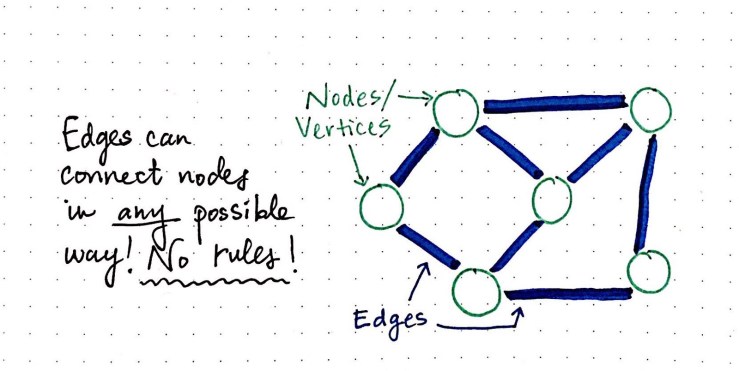
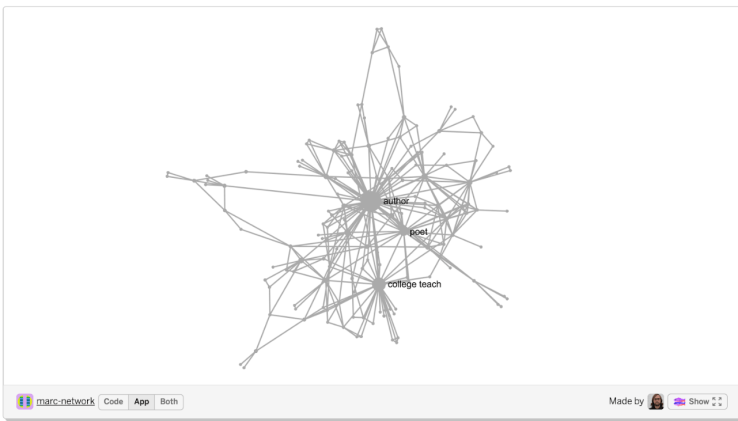
For this week’s homework, we’re building off of the MARC template overviewed in class to create investigative “excavations” of the Library of Congress’ digital archive via the MARC records . How can we reveal something new to us and others through these new connections? We talked about about nodes and edges via graph theory, and apply that sort of thinking to the MARC records using Sigma.js + Node.js.
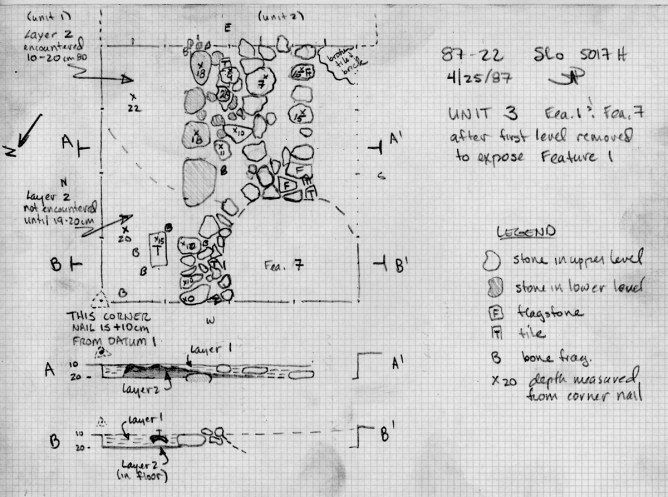
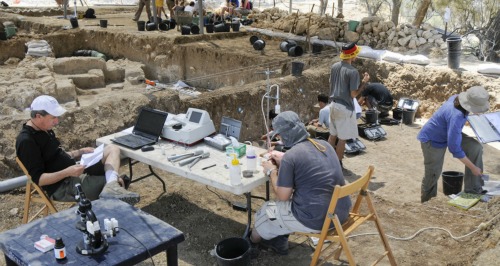
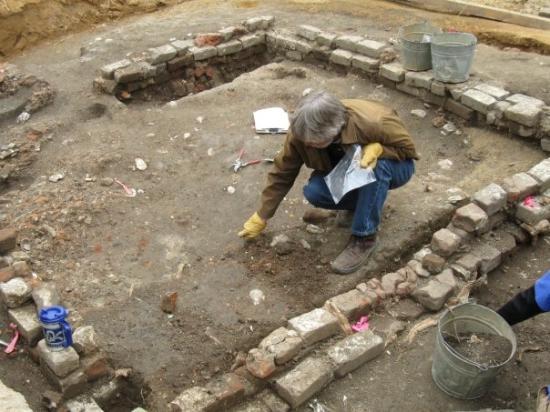
How do we get from looking at Marc to some interesting computational questions? In class we took a look at 4 sort of methodical approaches to take/ think about when approaching a collection: composition, comparison, distribution, and relation. We also talked about approaching the process in different ways, like from the view of traditional archeological excavations/digs and their fieldnotes. How can we borrow that sort of dissection and physical representation of process & data to our MARC explorations?


Thought this was interesting? A family member sent me this when thinking about environmental sensing
Grove-Dust-Sensor // Seeed Studio
**cat meowing is our pet in the background / it is not affecting the LEDs/circuit, rather this is testing the EPA tutorial with the Grove Dust Sensor. Each LED represents a certain threshold of particulate matter, red = a concerning density amount for long term exposure
❤
Continue reading “Testing the Seeed – Air quality sensor Grove – Dust sensor”
Went in to check in with resident Jasmine to help understand a couple things around CSS & HTML. My html had been overwriting my CSS ❤ ❤ We then took a deeper review/ look at Divs, Ids & classes, and Parent / Child methods:
As well as A Command Line tutorial:
And started talking about some of the Natural Language Processing challenges we encountered in our Artist in the Archive class. She mentioned to check out Regular Expressions:
(this video is part of week 2 of Daniel Shiffman’s Coding from A to Z)
See his Programming With Text Playlist
She also introduced me a study her friend was a part of at Columbia on air quality for bike commuters. Here are a couple articles referencing the study:
 30 KM/s