https://www.pbs.org/wgbh/nova/article/evolution-of-bioinspired-robots/
Becca's ITP Sketchbook

For this week’s assignment I was really inspired by Kari’s presentation in class on inflatables, specifically by the Aeromorphs explorations from MIT. I tracked down the aeroMorph paper MIT “aeroMorph – Heat-sealing Shape-change materials for interaction design”. And was inspired by their exploration of hinges and also using both dashed line seals and also sealing/ “creasing” from opposite sides.
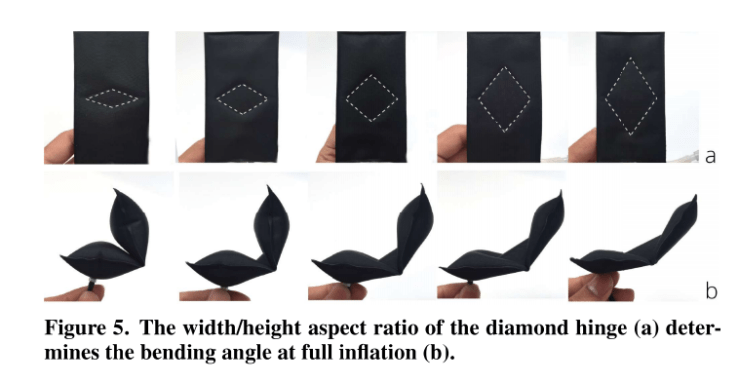
I played with a couple hinge explorations inspired by theirs in figure 5, where the width/heigh aspect ration of a diamond hinge affects the angle the inflatable bends. will make sure to post those pictures soon.
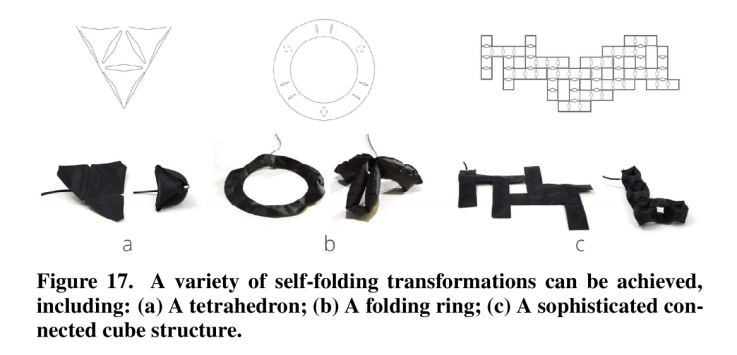
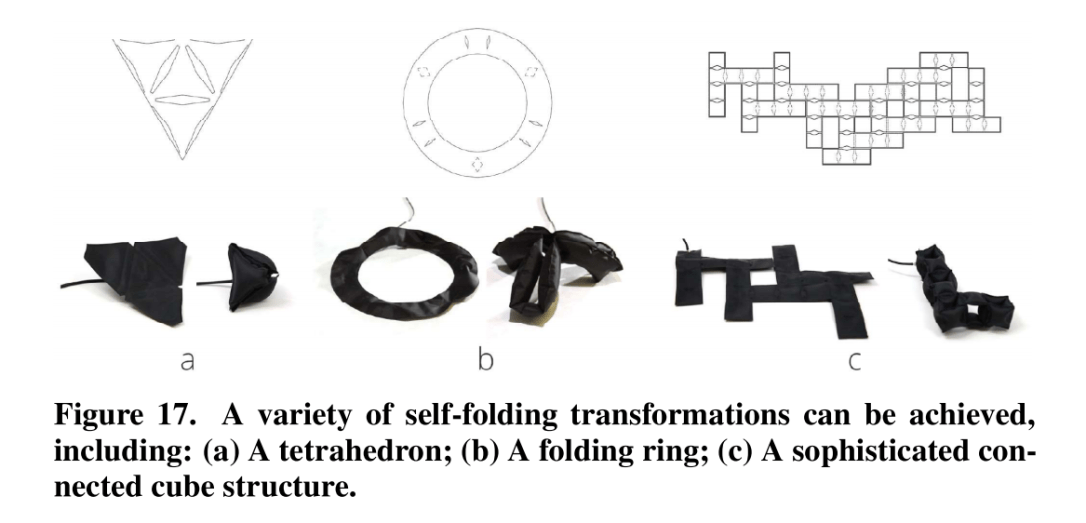
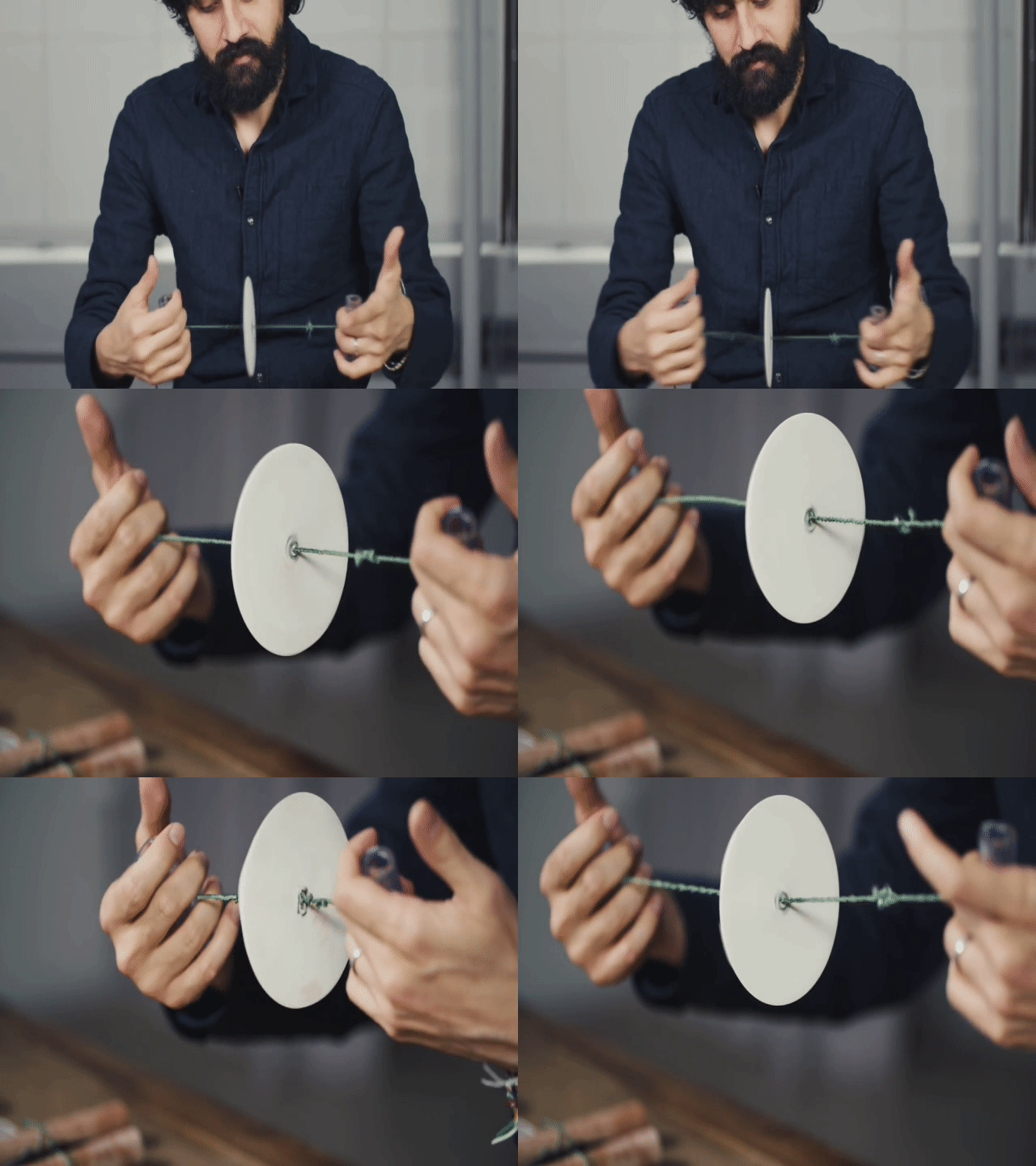
I then was really inspired by these self folding shapes in figure 17. although would be better explored as a laser cutting exploration to help control the specific cuts ❤ Although my experiments didn’t yield the motion I was hoping for, I was inspired by the circular shape and decided to make 2 variations of it – more of a chain of the circles, with one pictured in the video above.
I also found the Stripe Loop Morphing to be just so cool! Using a double airbag stripe.



First class starts off with a Skype visit with LOC web archiving team: https://www.loc.gov/programs/web-archiving/about-this-program/
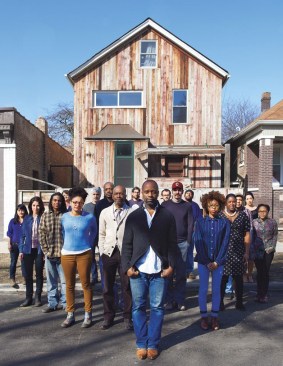
“I invite to dig deeper into these project and make contact with the people involved.” – Bergis Jules

Not All Information Wants to Be Free – Tara Robertson: http://eprints.rclis.org/32463/1/Applying%20Library%20Values%20to%20Emerging%20Technology_Chapter%2015.pdf
“Best Practices for Ethical Digitization – There are four things that people who are digitizing culturally sensitive materials can do to try and make their projects more ethical and appropriate. First, a standard librarian technique is to do an environmental scan and learn from what other people have done. Several digitization projects that have handled culturally sensitive materials have put out reports detailing some of their ethical concerns and processes. Second, it is important to have clear contact information posted so that people know whom they can talk to if they have concerns or more information. Third, use technology built by projects that are thinking thoughtfully and deeply about values and ethics. Fourth, librarians need to develop skills in working with communities to determine what should be digitized and what kind of access is appropriate.”
It can be confusing and intimidating to figure out who to contact at a university, museum, or cultural institution. It is important to make it easy to find out who to contact if one has concerns or additional information about digital collections. It’s also useful to state that your institution is open to receiving more information about specific content and open to requests for content to be removed. It is also important to have clear policies that are posted publically so that people know about criteria, timelines, and processes for inquiries and complaints.
The New Zealand Electronic Text Collection describes how they will keep the communication lines open with communities:
We will provide avenues by which people can place general feedback (via links to the message boards) or contact us directly. If whānau want to discuss with us suppressing images of their tupuna then we are prepared to do so (with the inclusion of a statement as a placeholder within the text stating why the image is no longer displayed). Alternatively, if they had information that they would like placed with their tupuna’s name, then we are open to adding it.”
3. Use Appropriate Technology
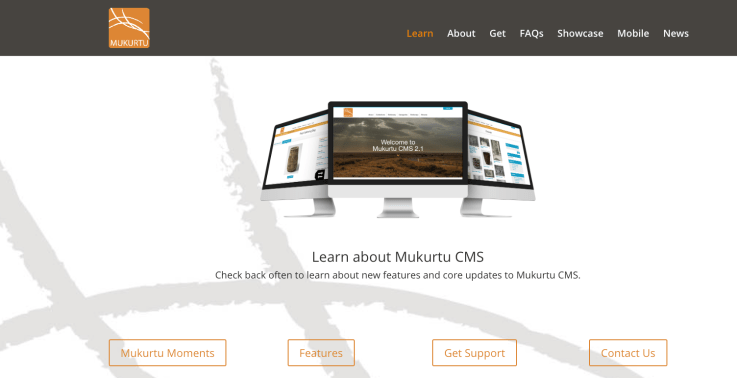
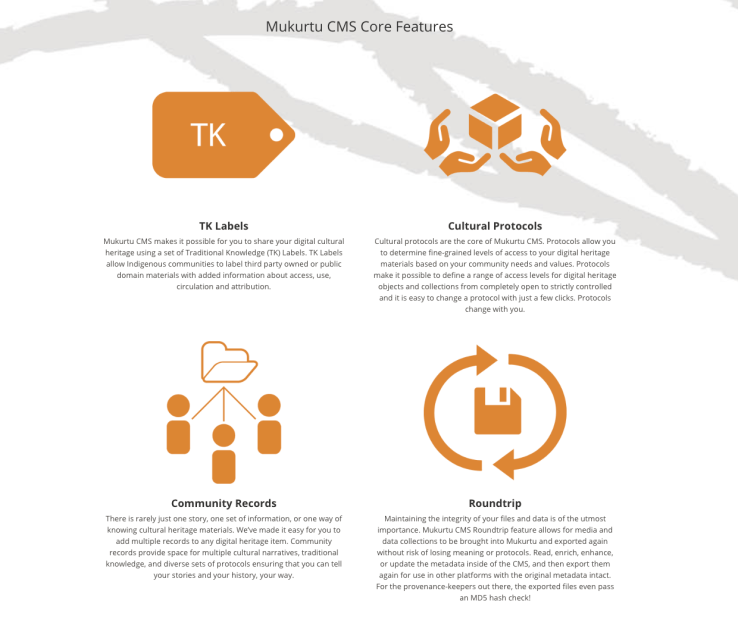
The Murkutu project has been leading the way in building an open source platform to allow appropriate access to culturally sensitive materials, specifically indigenous stories, knowledge, and cultural materials. The Murkutu platform is built and configurable to reflect how specific communities access and share knowledge. Both items and people have permissions associated with them, which can facilitate granular and appropriate access. The software also supports traditional knowledge labels, which were developed “to support Native, First Nations, Aboriginal, and Indigenous communities in the management of their intellectual property and cultural heritage specifically within the digital environment.”25

DocNow is a software project that started after the Ferguson riots. They are building appropriate software tools for the ethical collection of social media content. They are building into their free open-source tools the key concept of consent. DocNow project also seeks to build a critical community of practice: While we’re not yet sure what this community will end up looking like or how formal or informal it will be, we want to build on this momentum and continue to encourage conversations around what it means to build archives of social media data for the long term, not replicating oppressive models of digital data collection and dissemination, and respecting content owners privacy and humanity, while at the same time upholding our responsibility to be vigilant in countering the erasure of people of color from the historical record.26 I admire how they are explicit and clear in identifying their values—like Black Lives Matter—and how those values influence the software tools that they are developing. Ed Summers states that “I think what we are hoping to do is build a tool that doesn’t just do things because it’s possible, but has some values built into it.”
4. Work with communities to determine what is appropriate
Libraries and other cultural institutions need to build relationships and work with communities more, and community consultation should include discussions Not All Information Wants to be Free 237 about appropriate use of the content. In both the case of OOB and Spare Rib, the digitizing agency pushed a more permissive license than some contributors were comfortable with. Perhaps if the consultation process included a conversation on copyright and the different types of Creative Commons’ licenses, there might have been more willingness to consider a CC-BY license and informed consent to pick the best license for individuals and the community, not the institution and funding agencies. Academic libraries can learn from public libraries’ community development initiatives.
As librarians, it’s uncomfortable but necessary for us to give up some of our power and work with community members on equal ground. Having an advisory board that includes community members should be a minimum requirement for digitization projects. Both the Spare Rib and DocNow have robust Advisory Boards.

Slides From Kari Love’s Class 1 Lecture



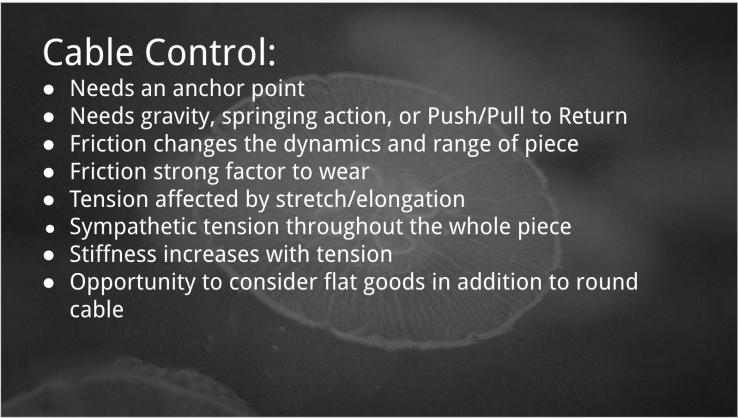

Optional more info on cables:

Store visit / explore & find soft mechanisms / inspiration
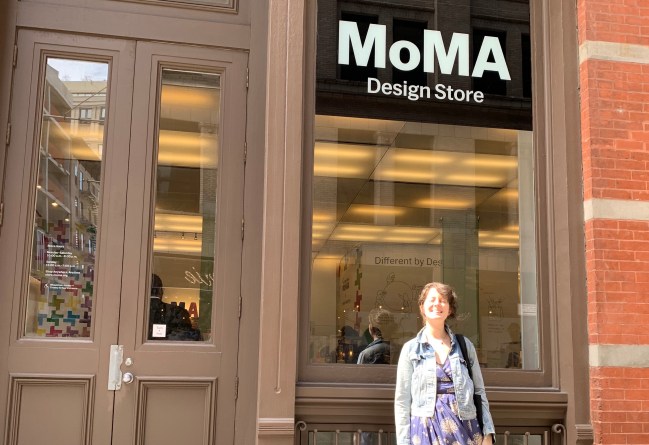
For assignment 1.2 [store visit] I ended up at the MoMA Design store. My partner and I were in the area with family visiting in the city so popped in to see/play with what may be in the realm of “soft” inspiration/mechanisms as we started to think about them in last class. Would like to also visit a more general arts & crafts store too in a future iteration to see what I find. Items found from this trip:
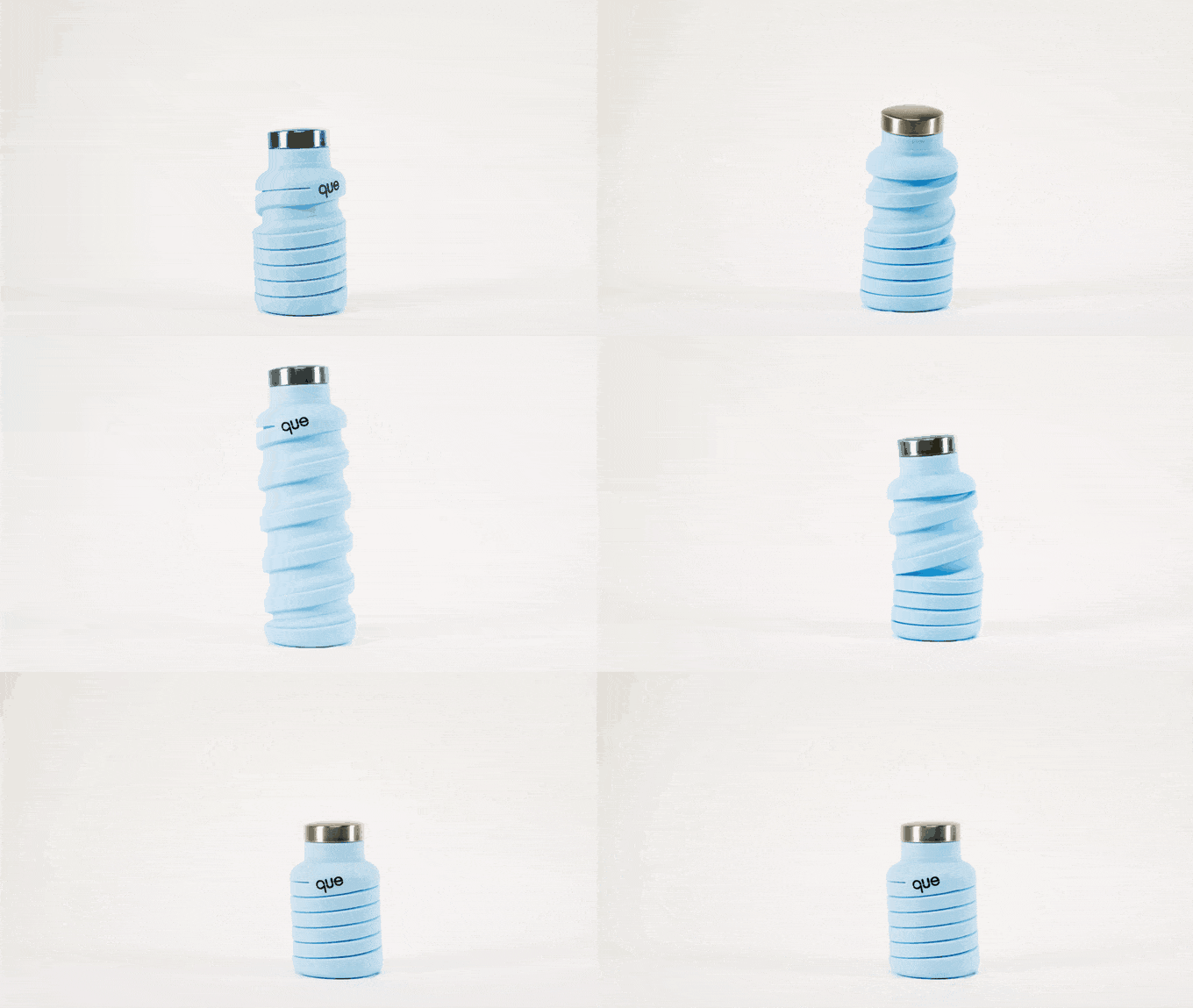
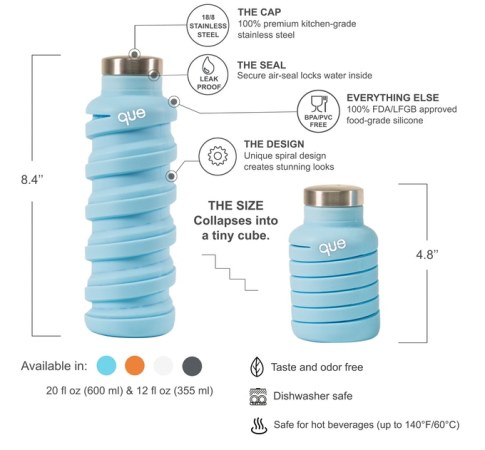

above info is from their kickstarter campaign

** But really… where on the green spectrum does Silicone fall?
It doesn’t break down into dioxins like plastic does yet how green is its production process as a material? Doesn’t it involve fossil fuels still in its production process to turn it from silica to silicone (Would love to read more about Silicone as a plastic alternative)? I wonder if it’s really something we should be pushing for in the domestic sphere, but possibly a material better left for medical and more specific uses outside the home, where its disposal could be better tracked after.
Although it doesn’t chemical leach into food and liquid like plastic can / maybe its at least a strong step / move away from single use plastics, but for the interim best kept maybe away from direct food contact and out of the dishwasher for sake of materiality breakdown. Thinking about Silica & Silicone led me also to this interesting article on how maybe it could also be best to ban classes of chemicals verses a specific one only. In this case thinking about how BPA-free could mean that the alternative agents still currently contain Bisphenol, which has parallel negative effects .
Silicone is a great material for shock resistance, extreme temperatures (for non food usage) and also its ability to maintain its shape over time – like the action of opening & closing the bottle. Was initially attracted to it due to the quick size shift interaction and also the spiral shape.


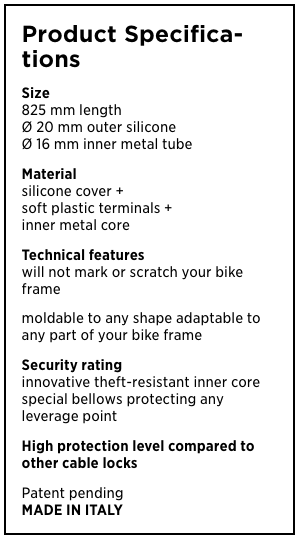
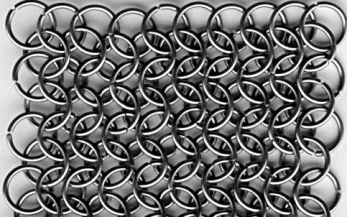
This product reminded me of the slinky that we looked at in class. Or how metal alone can be inflexible (when not heated) but when used in a pattern like chain mail can become flexible in its own right. It would be interesting to see what the combination of plastic terminals & inner metal core is like on the internal side. Was attracted to it due to the many shapes you could make out of it and the smooth contour the outer silicone cover creates.

[Wakouwa, Push-Up Button Puppet, Collapsing Toy, Thumb Puppet, Wackelfigur, Wackelfiguren, Wackeltiere, Wackeltier, Drückmännchen, Drücktier, Drückerfigur, Drukfigur, Drukpoppetje, Mackaci Figurky, Pupazzi, Figurine en Bois ..]
When looking up collapsing toys I found this educational lesson plan from the London Children’s Museum that introduces kids to the idea of force and how its applied in simple toy mechanisms. “the spring in the base pulls string taut when at full length, which keeps the body of the toy upright. When the base is pushed the spring is compressed and shortens, the string lengthens and slackens, so toy falls. Wakouwa comes from the name of the inventor.”
Was attracted to this toy initially in the toy exploration in class and thought it was a fun conceptual variation of a thumb puppet. I like that the mechanism isn’t immediately obvious from the outside, and that this specific toy had two characters that can interact.
This one and the Paradox Hourglass below had me thinking about force moving particles of one material through another. I was attracted to this due to always loving snowglobes while growing up and thinking about the different speeds the particles fall in each individual dome.
Snow globes have historically been made with a range of materials [A brief history of snowglobes]. History of materiality via wikipedia:
I’m not quite sure what the material make is of the paradox hour glass is? But thought that the ones used in young ed science class tend to be water and oil+food coloring kind of tricks. I was attracted to this due to the “grains” moving upward verses downward, and again having had many toys along these lines as a kid, but with varying particle sizes, speed and color.
This motion is triggered by gravity when you flip the object over. A balance of viscosities of the 2 different materials, whether it’s water and oil or two different kinds of oil, Both materials can be mixed with color. This instructable thread is interesting on different kinds of oil combinations.
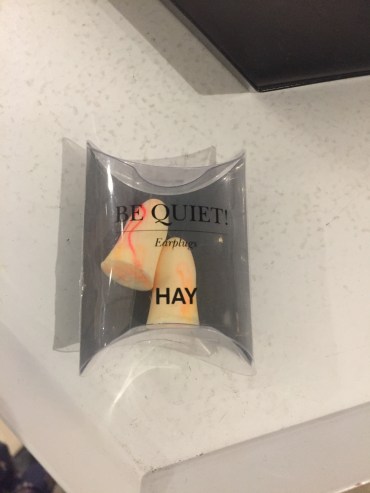
Squishy Earplugs –
Thinking about the range of foam earplugs that squish to better fit ear shapes & also offer different attenuation ranges. Was attracted to this for its squishy-ness and the delay in time it takes to spring back to a fuller shape.




Hydrodynamics – thinking about resistance/drag & velocity/speed. I was attracted to this thinking about water as a force for movement as well as the cable/(pulley?) system here used to simulate real rowing but with less of a “jarring” impact associated with many mechanical rowing machines. “Softening” the motion,
From Water Rower Site:
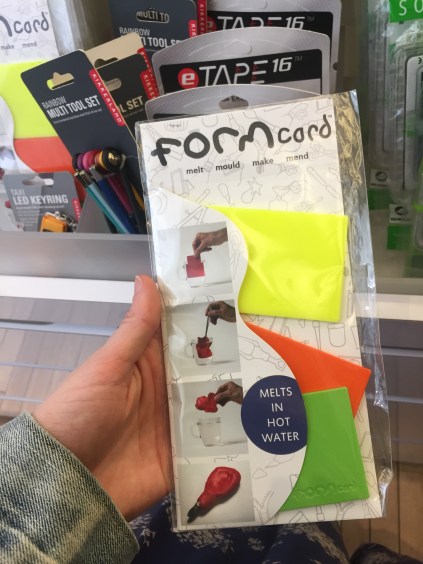
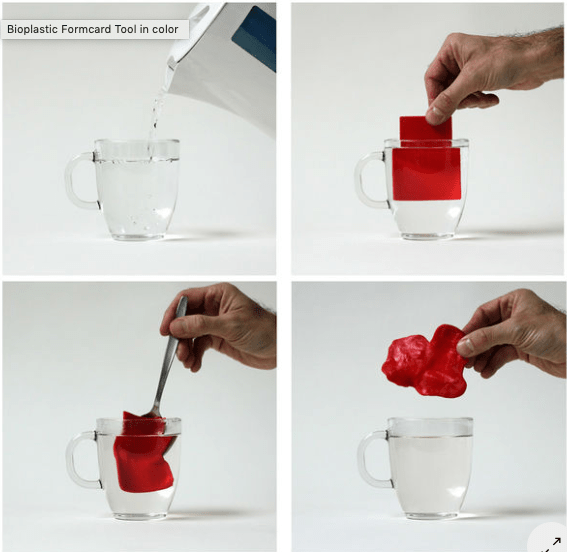


I was attracted to this due to its multiplicity of usages and the starch base that its made from.


This item made me smile in that gravity helps with the action, but also with the transparency of the silicone? It allows the person using it to know the quantity left.


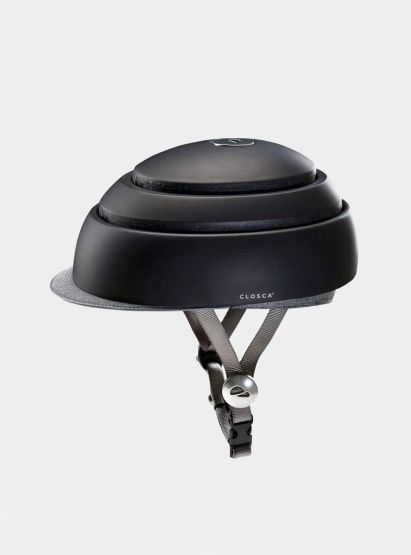
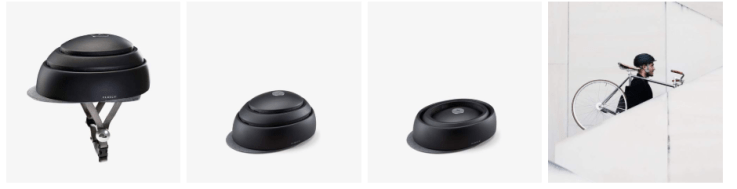
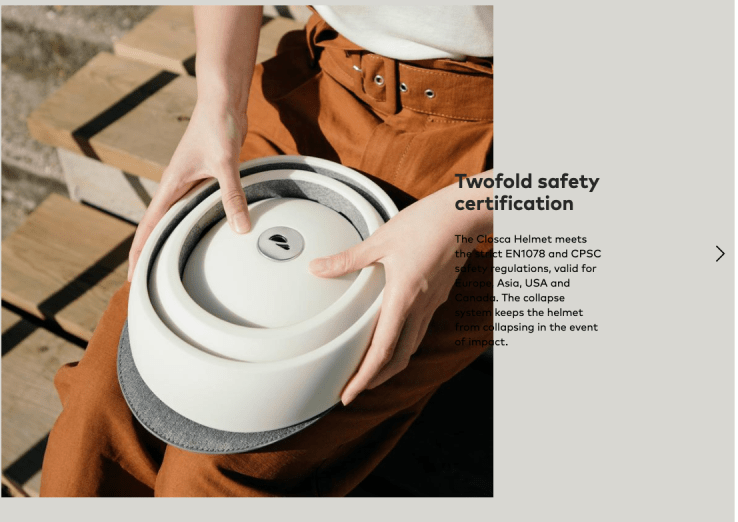
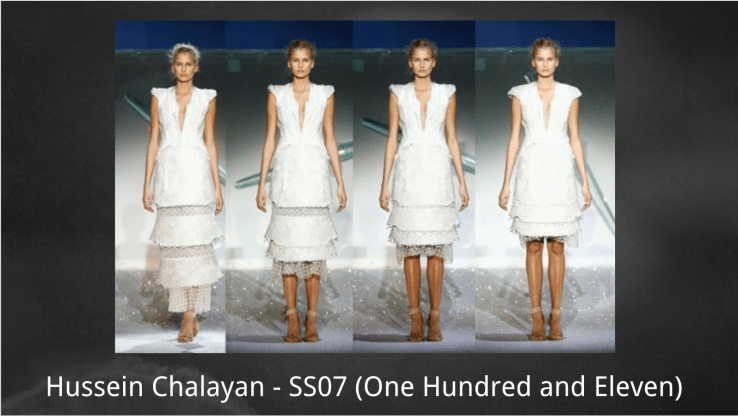
Although different because it’s not using a cable system, I was attracted to this collapsable tiered design because it reminded me of Hussein Chalayan’s dress ss07 that we looked at in class.
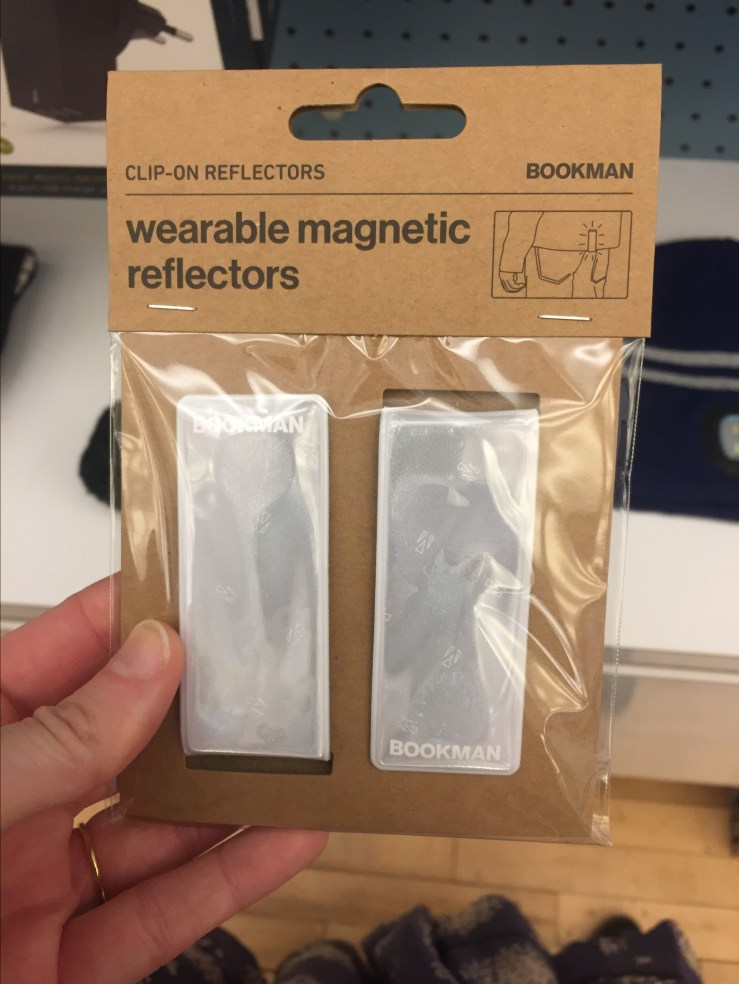
Was attracted to these due to their simplicity / the closure would depend on the magnet strength. In the feedback reviews it sounds like they’ve ” updated the magnets to make them bigger and stronger. Also made them only strong on the inside so the risk of them getting stuck to other metal objects is much smaller :-)”
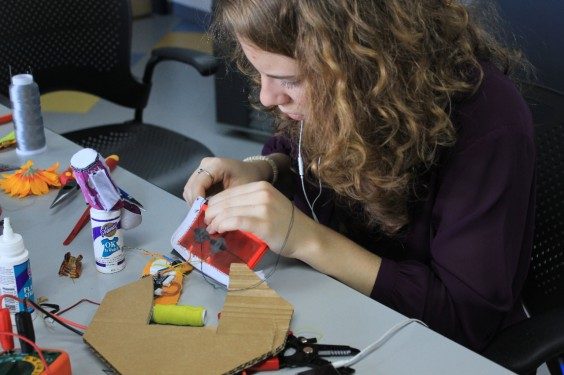
The NYU Prototyping Fund is a collaborative program offered by the Design Lab @ NYU Tandon MakerSpace and the NYU Entrepreneurial Institute that awards teams of students up to $500 in the first round of funding and up to $2000 in the second to be used to build hardware or software prototypes, and connects them with the resources, tools, and mentors they need to bring their ideas to life.


 30 KM/s