IN A HAYSTACK: Using only the search mechanisms available on loc.gov, find one item or collection of items and write a short ‘portrait’ of the object. What is it? How was it made? Who created it? How did it end up in the Library’s collection?
Paa Joe ( Joseph Tetteh Ashong) is a master craftsman and artist of traditional figurative coffins. The coffins are part of a ritual, where the deceased is buried underground in a custom coffin that is carved and decorated to symbolize an element associated with that person’s life. It’s a celebratory way of ferrying the passage into the afterlife and ancestral realm, an act of empowerment. Some examples could be a red snapper for a deep sea fisher, a camera for a photographer or as Paa Joe mentions in an interview, a hammer for himself so that people would identify him as a carpenter. The family okadi (symbol of ancestors) could influence the shape.
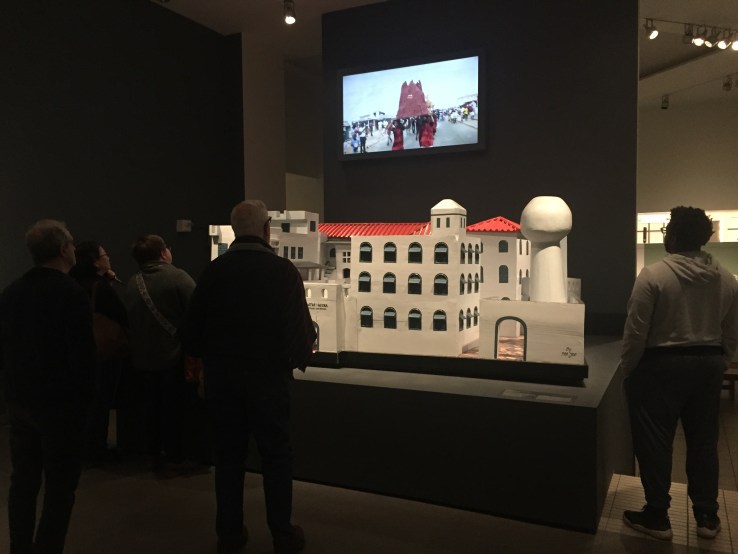
During 2004 – 2005 he was commissioned by the late artist, collector and art dealer Claud Simard to make 13 large scale architectural models of still-existing slave castles and forts located on the Gold Coast of West Africa, now Ghana. Seven of these sculptures are what are shown at the exhibit, alongside really amazing photographs from when Paa Joe visited the sites of each castle, along with his sketches. As written by the curator, Valérie Rousseau, “The models are beautiful and heavy reminders of human commodification in a world that is still struggling with injustice and pernicious systems of racial inequality that have been perpetuated for centuries”.
It was my first time to the American Folk Art Museum and was super excited to visit! It was nice to hear people audibly impacted by the work. The museum itself had me start thinking about the Icelandic Folk Art Museum I visited last Spring Safnasafnið.
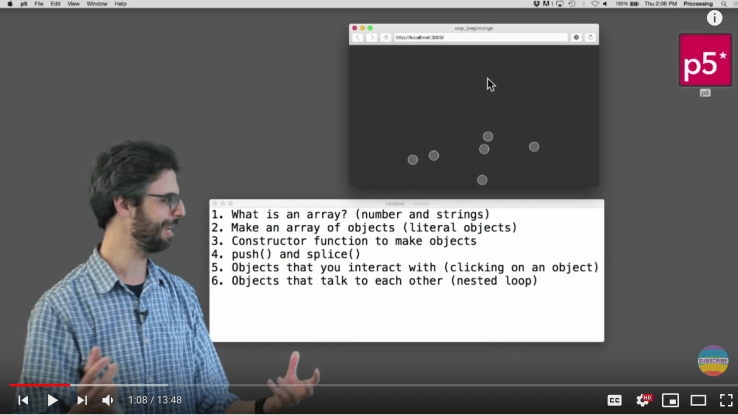
“The JavaScript Array object is a global object that is used in the construction of arrays; which are high-level, list-like objects.” Javascript Array documentation on MDN






![611228_2[5]](https://30km-s.blog/wp-content/uploads/2018/11/611228_25.jpg?w=739)
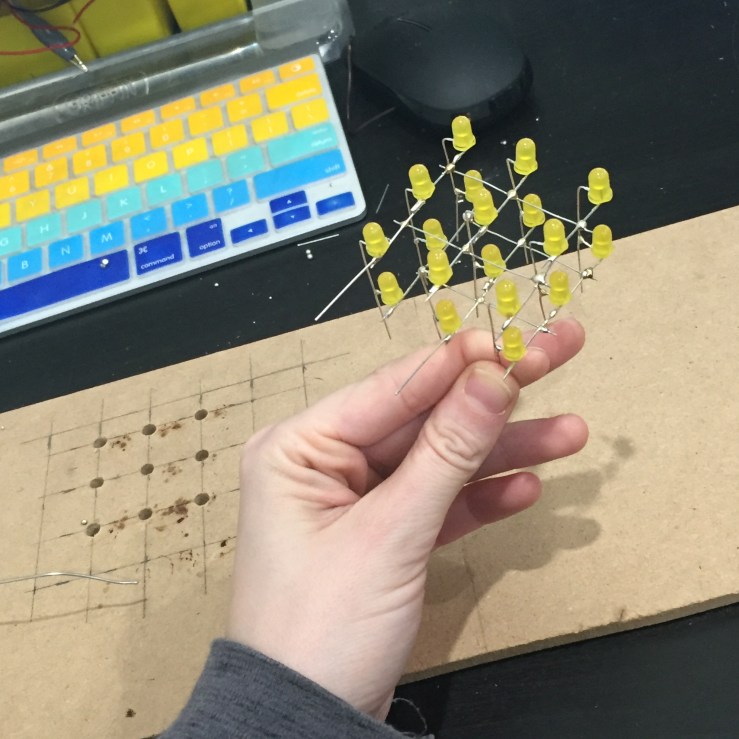
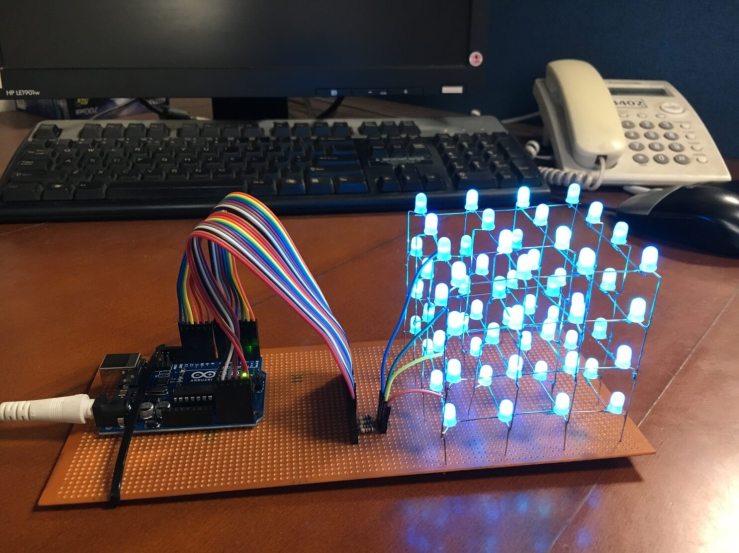 pic from kidkunst.info LED cube tutorials
 30 KM/s