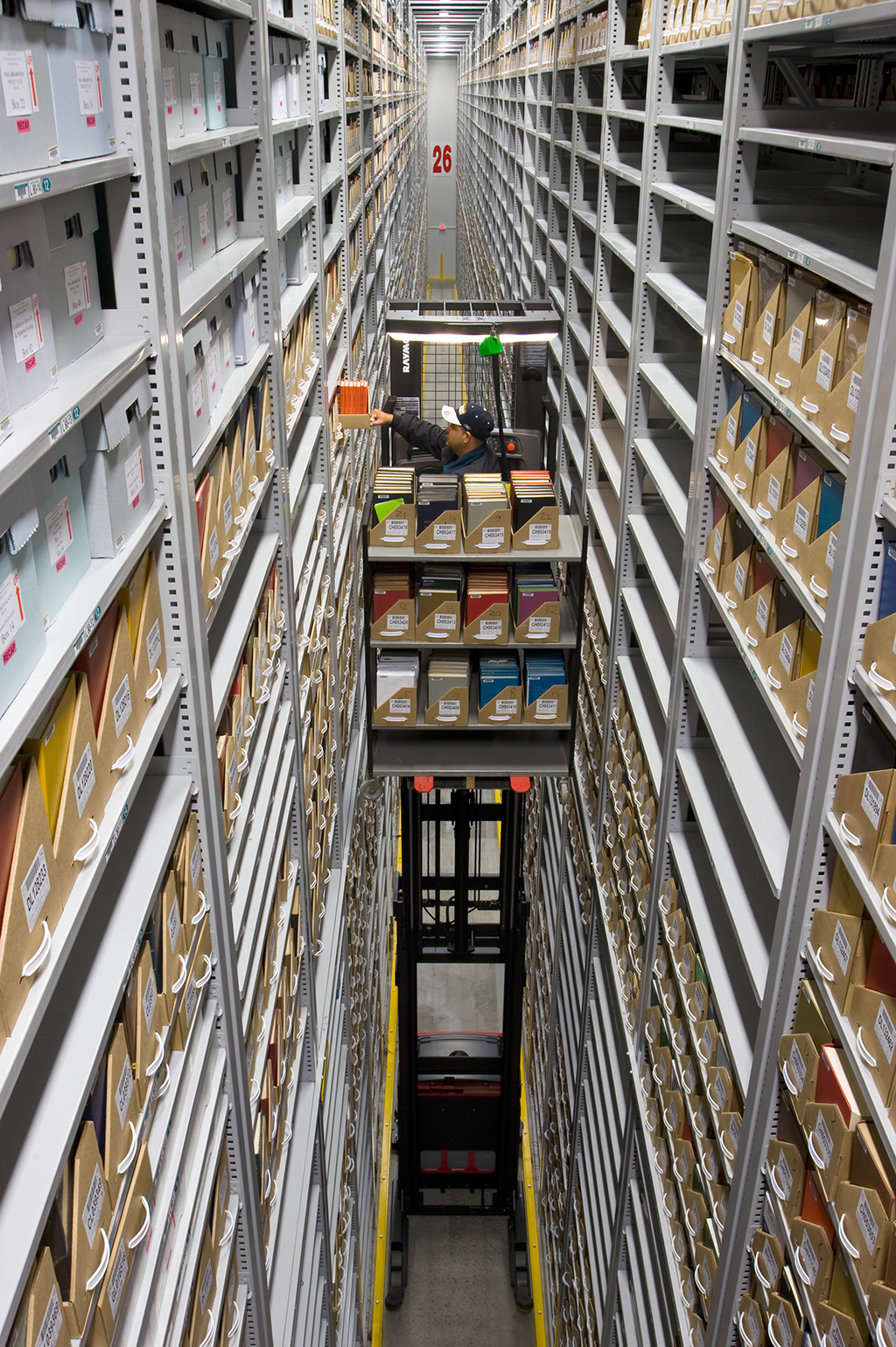
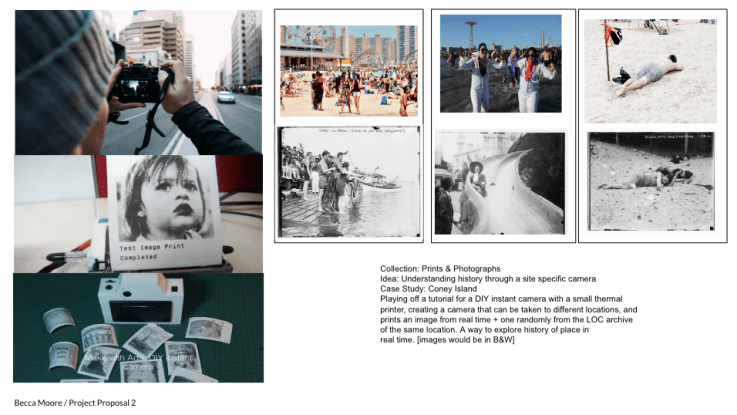
It’s easy to get caught up with looking at the Library through a data lens, whereas in reality it is a very physical thing. In this class we’ll look at the day-to-day workings of the library. We’ll look at projects which have engaged with institutional infrastructure, and we’ll collectively imagine ways to creatively explore the LOC’s labryntine workings.
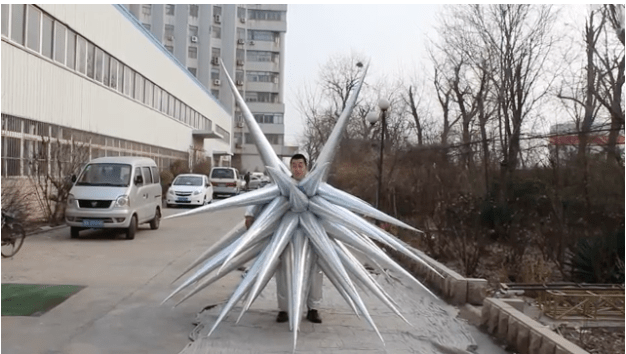
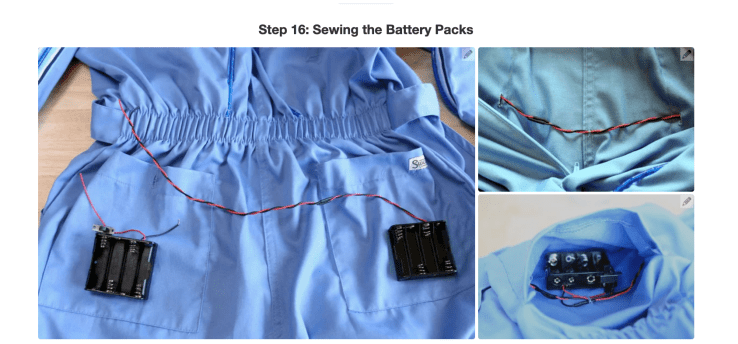
Today Yeseul and I talked about some issues I was having with my wearables assignment around the power source and what might be causing the jitter. We also started talking more about how to iterate on the piece conceptually to make it a little more fun like if it had more spots all over it or if it was inflatable as a way to reveal spots too. And started to think about hedgehog spikes like lady gaga’s dress from 2014 or Kristin Neidlinger’s Goosebump Proof. We also talked about ways to hide a distance sensor in additional accessories or props
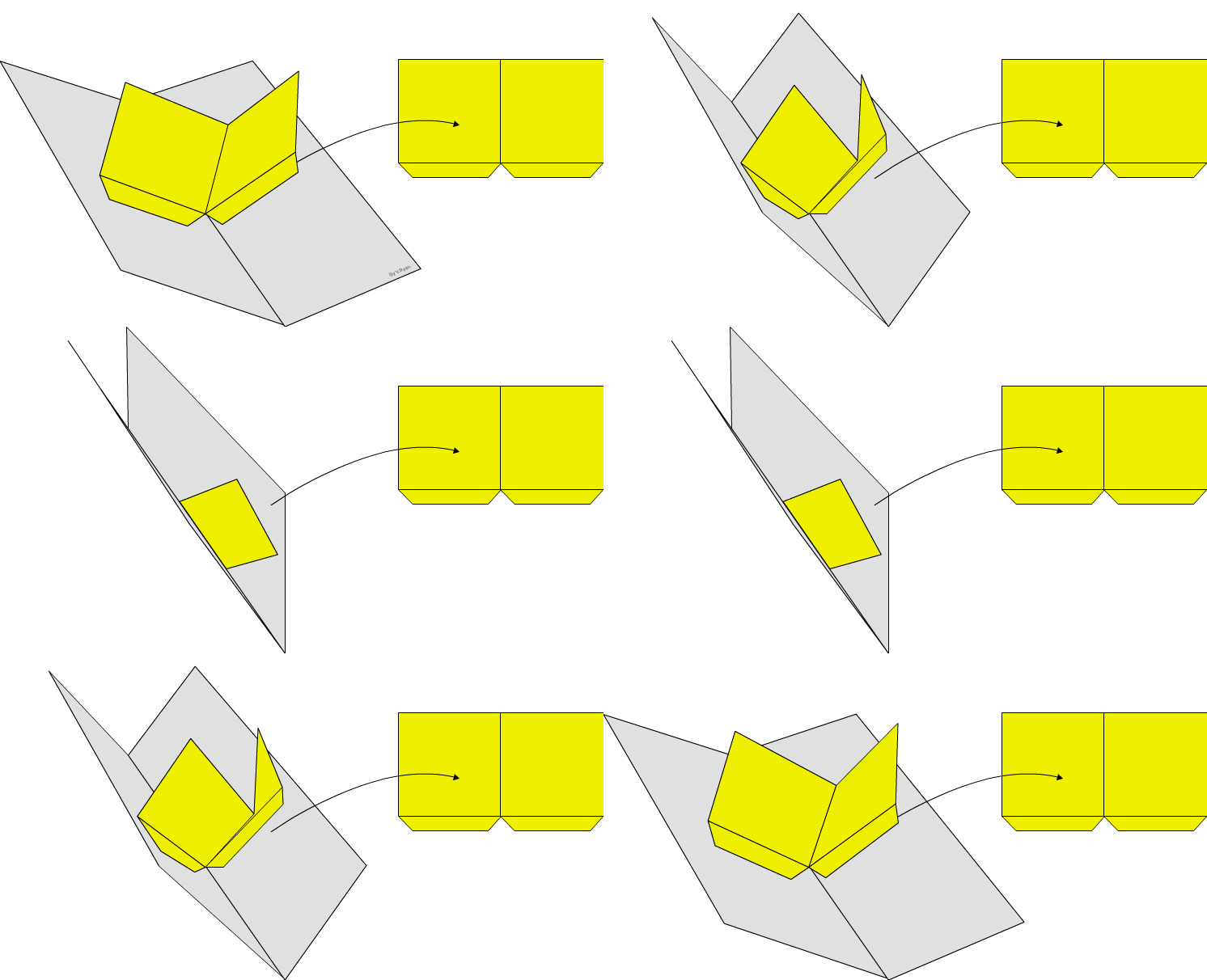
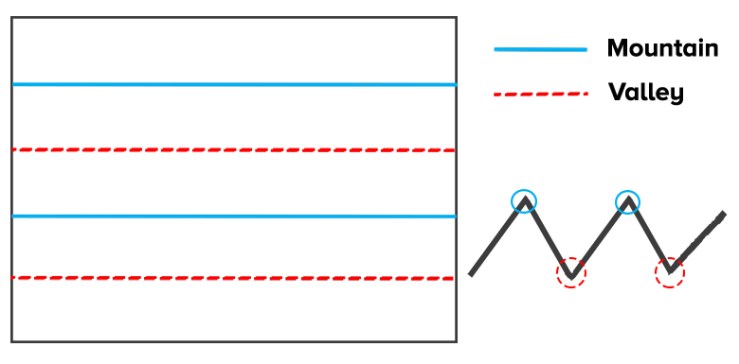
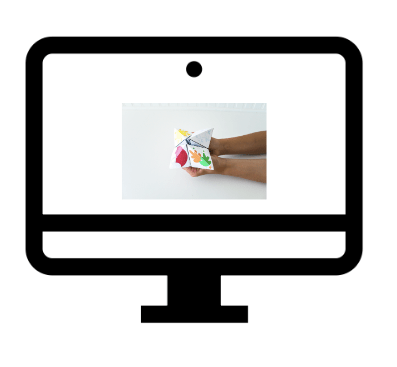
In our first class with teach and designer Sam Ita we got into folding right away. Below are some of the folds / things we looked at. Sam designed one of my friend’s favorite pop up books 20,000 Leagues under the Sea. Assignment for next class: Make an animal
Gutter = main center fold
The gutter is the source of your power of motion
the faster a popup foundation structure moves / the less torque it has
best to design for it to not be opened totally flat, more natural to how a book is looked through
The Library of Congress is a definitively colonial institution. Throughout its history, voices of indigenous people have been in turn ignored, erased, and neglected. In this class we’ll examine this problematic history and look at some ways that indigeneity is being re-addressed. In particular, we’ll investigate the story of how 31 cylinders containing Passamaquoddy songs have revently been restored and re-born.
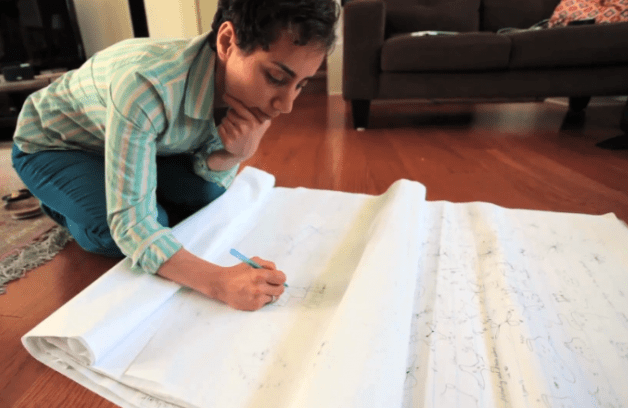
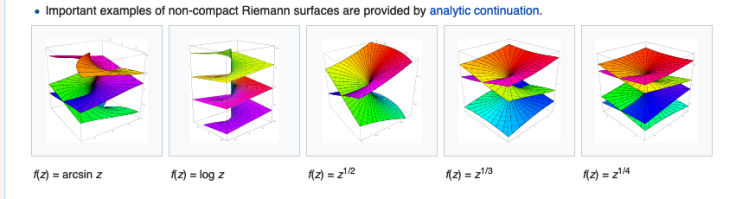
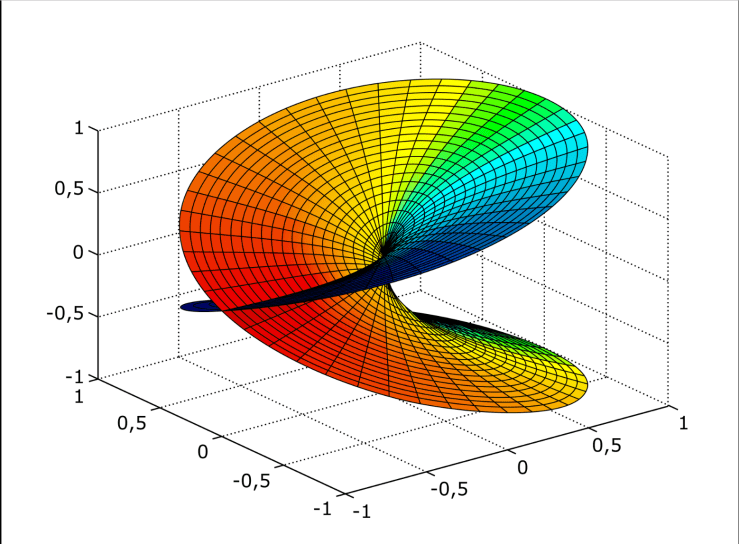
When diving into the LOC archives I came across a collection of archived blogs that celebrated math and science. One that I enjoyed was “grandmama’s in stem” where it went out to prove against the saying “my grandma could do that” implying a lack of knowledge and know how. To counter the saying the author posted submissions about various women in stem – although I disagree with her being a grandma [was only a mother at the time of her passing, and also passed at a young 40 due to breast cancer] I was inspired to dig deeper and learn more about Riemann Surfaces.
Today I scheduled a couple office hours, one with Danny & one with Jingwen later tonite for Intro to Wearables. I wanted to talk about the possibilities of using a servo motor on a garment to help reveal elements in an automated way. We talked about lots of possibilities from complex to more simplified, with the simplest option being a drawstring pull that would reveal an element on the back like a curtain pull.
Initially talked about / thought through a couple concepts / questions:
Gravity is our friend:
how to take advantage of gravity when designing for automation?
ex: instead of it being a horizontal reveal? Make it vertical instead for a smooth motion
this will also help with not creating a feeling of a new appendage due to the metal dowel sweeping out
Storytelling:
What is this interaction trying to articulate?
Are there symbolisms or analogies its conveying?
What is it about eye mimicry that I’m hoping to incorporate?
thinking about its actual protective or attracting functionality in nature
Using Natural mechanical processes to guide the design decisions?
How aspects of our body already perform similar motor functions / how to mirror it like an eyelid shutting & opening?
How to make it soft vs hard:
how to hide the mechanical parts to make it feel more incorporated & soft?
ex: hiding the servo in a michael jackson style shoulder pad, epaulettes or a puffy collar
Thinking about how to have a external layer that could protect the hardware / hide the servo + metal dowel? Maybe elevated shoulder pads that slightly project backward



 30 KM/s