No to NoUI reading


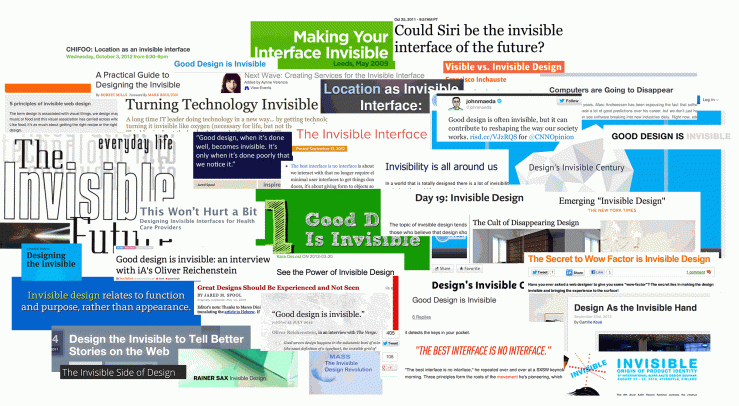
Invisible-design.gif“Towards legible, evident interaction

We must abandon invisibility as a goal for interfaces; it’s misleading, unhelpful and ultimately dishonest. It unleashes so much potential for unusable, harmful and frustrating interfaces, and systems that gradually erode users and designers agency. Invisibility might seem an attractive concept at first glance, but it ignores the real, thorny, difficult issues of designing and using complex interfaces and systems.

We might be better off instead taking our language from typography, and for instance talk about legibility and readability without denying that typography can call attention to itself in beautiful and spectacular ways. Our goal should be to ‘place as much control as possible in the hands of the end-user by making interfaces evident‘.

Of course the interfaces we design may become normalised in use, effectively invisible over time, but that will only happen if we design them to be legible, readable, understandable and to foreground culture over technology. To build trust and confidence in an interface in the first place, enough that it can comfortably recede into the background.” article link


Thinking about Microinteractions 
 

AitA: W9

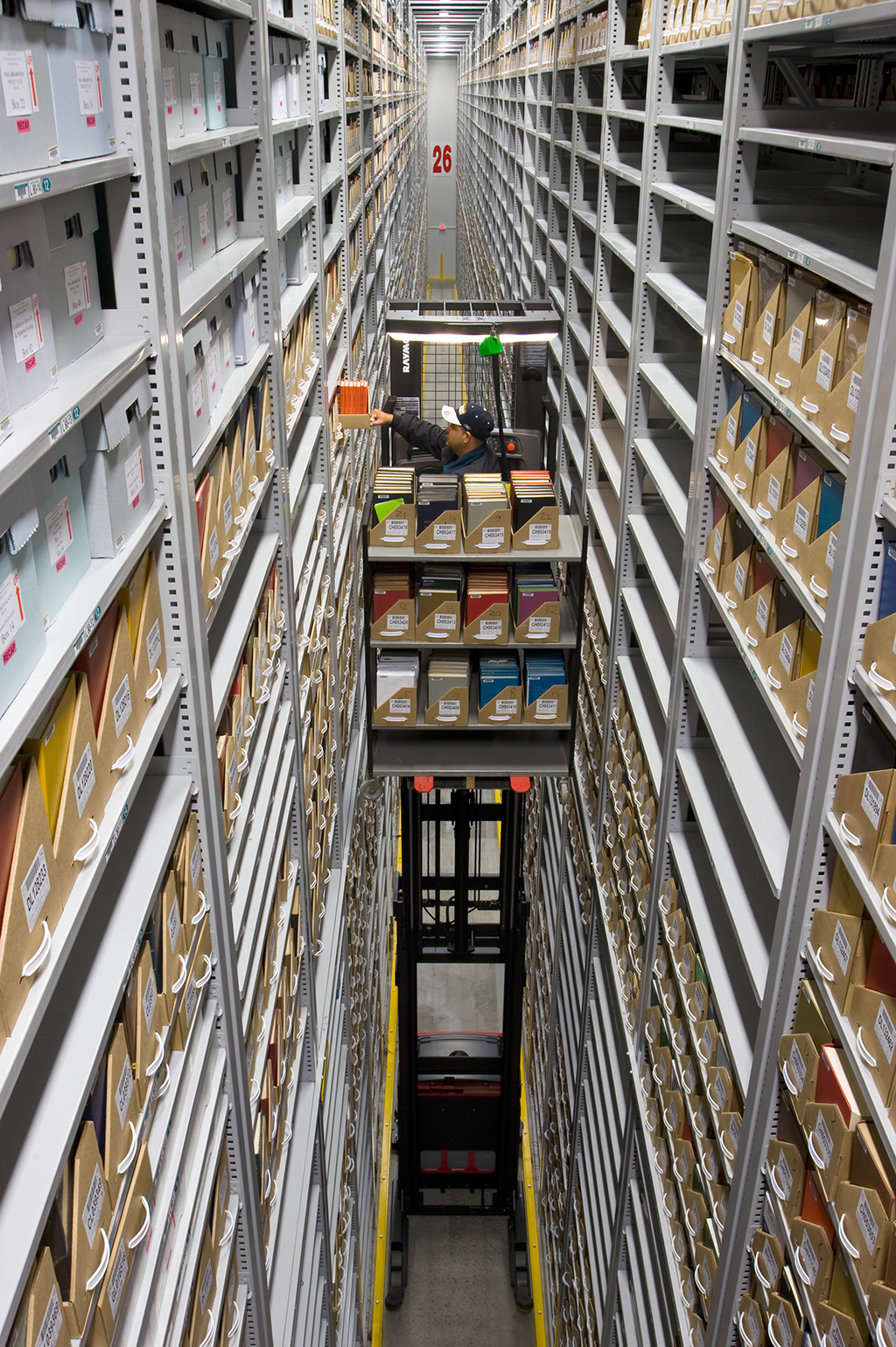
It’s easy to get caught up with looking at the Library through a data lens, whereas in reality it is a very physical thing. In this class we’ll look at the day-to-day workings of the library. We’ll look at projects which have engaged with institutional infrastructure, and we’ll collectively imagine ways to creatively explore the LOC’s labryntine workings.

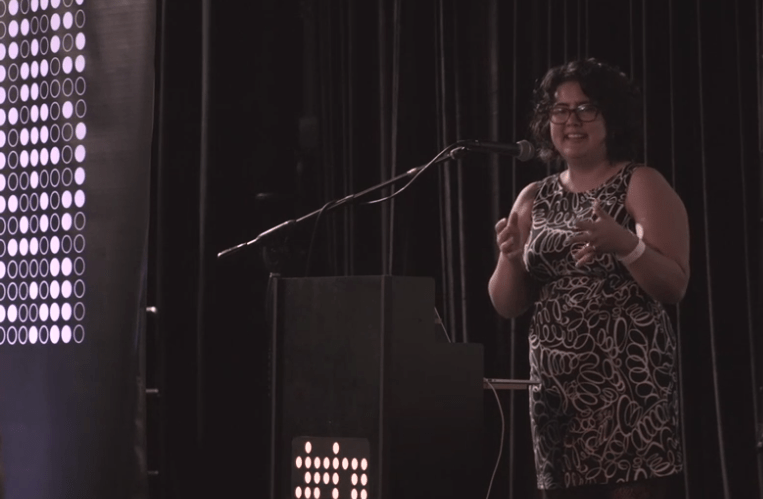
Guest Speaker: Shannon Mattern

Readings, etc:

Office Hrs w/ Yeseul


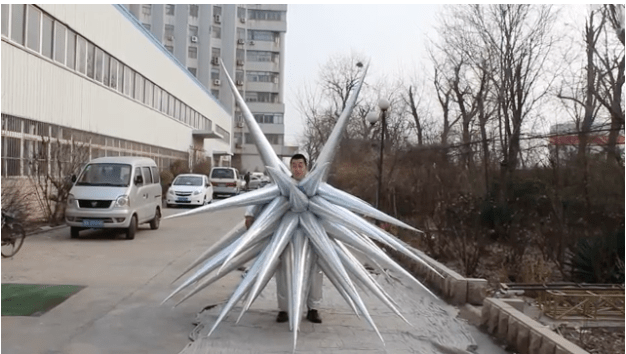
Today Yeseul and I talked about some issues I was having with my wearables assignment around the power source and what might be causing the jitter. We also started talking more about how to iterate on the piece conceptually to make it a little more fun like if it had more spots all over it or if it was inflatable as a way to reveal spots too. And started to think about hedgehog spikes like lady gaga’s dress from 2014 or Kristin Neidlinger’s Goosebump Proof. We also talked about ways to hide a distance sensor in additional accessories or props


Screen Shot 2019-04-03 at 12.35.16 AM

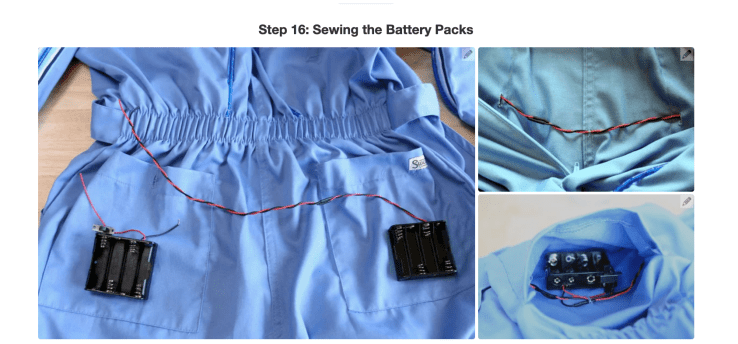
We also talked about potential places to hide the power sources (image from instructables Motion Activated Speed Suit)


Example of Winch cable system for a reveal


https://youtu.be/Fg7caC7uEV0

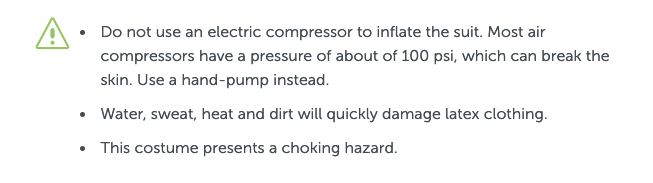
Examples of inflatable costumes / motors pumping air into closed unit + 4 double A batteries

Screen Shot 2019-04-03 at 12.43.54 AM

Paper Engineering: W1

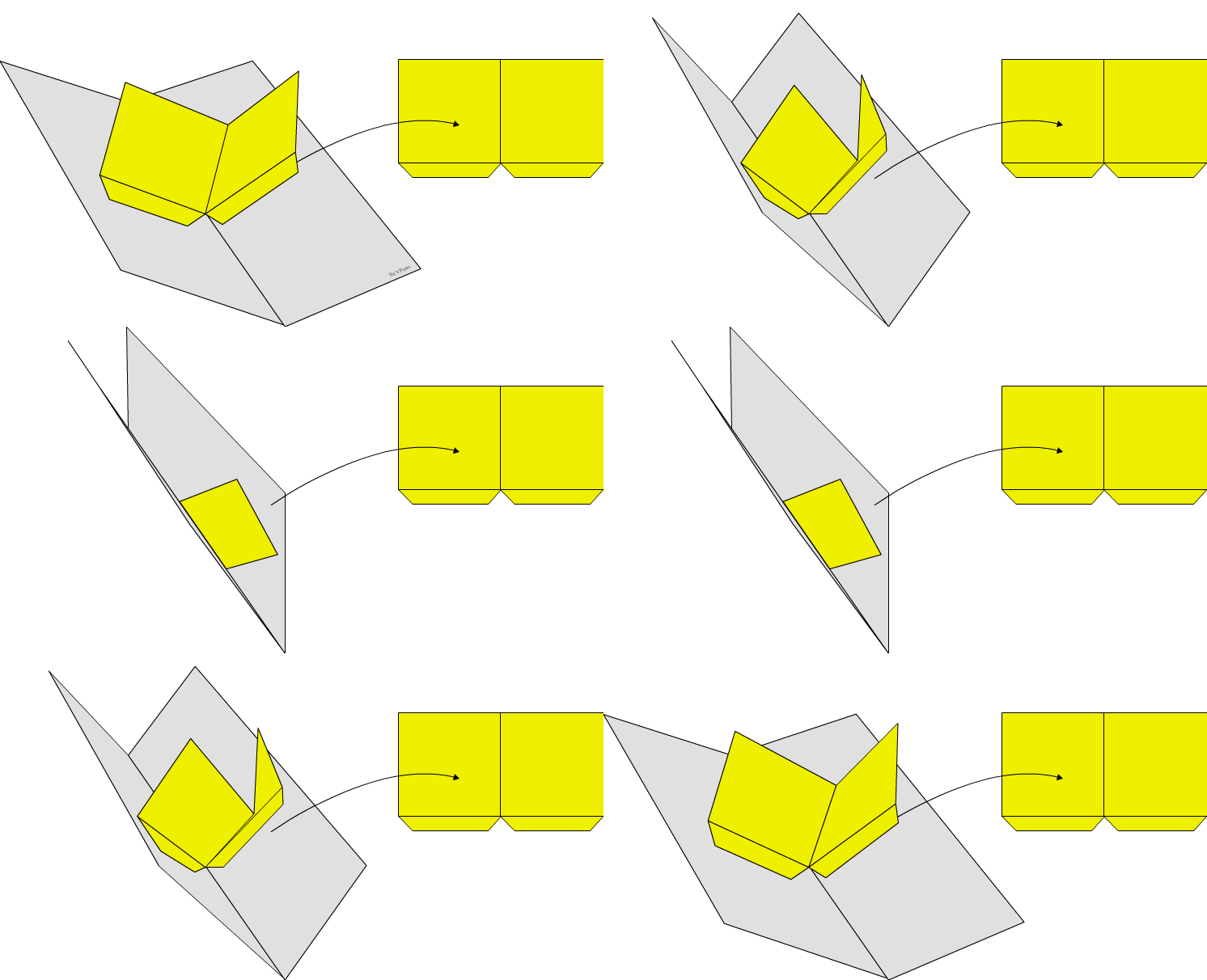
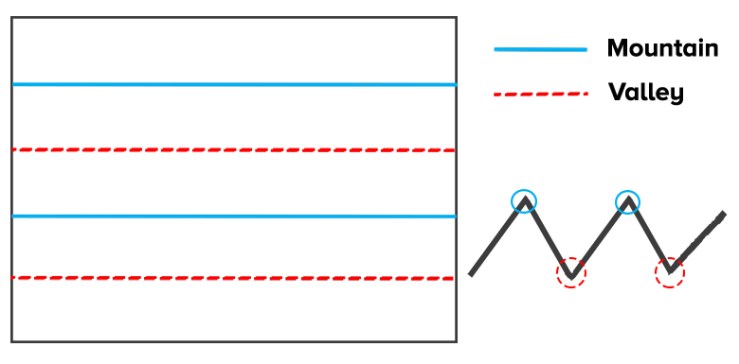
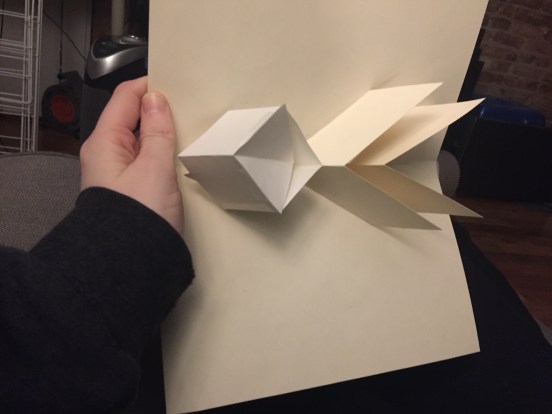
In our first class with teach and designer Sam Ita we got into folding right away. Below are some of the folds / things we looked at.  Sam designed one of my friend’s favorite pop up books 20,000 Leagues under the Sea.  Assignment for next class: Make an animal

9781402757761_p1_v1_s550x406.jpg


  • Gutter = main center fold
  • The gutter is the source of your power of motion
  • the faster a popup foundation structure moves / the less torque it has
  • best to design for it to not be opened totally flat, more natural to how a book is looked through
  • V Fold
  • Standing V fold
  • Asymmetrical layer
  • V Fold Lifter
  • Cube box


01-5columns.jpg

AitA: Class 8


From syllabus:

The Library of Congress is a definitively colonial institution. Throughout its history, voices of indigenous people have been in turn ignored, erased, and neglected. In this class we’ll examine this problematic history and look at some ways that indigeneity is being re-addressed. In particular, we’ll investigate the story of how 31 cylinders containing Passamaquoddy songs have revently been restored and re-born.

Guest Speaker: Jane Anderson

Readings, etc:

Anxieties of Authorship in Colonial Archives – Jane Anderson et al : https://static1.squarespace.com/static/55cfbe2de4b02774e51fac68/t/55d0ed0fe4b02b29043a1cec/1439755535710/Anxieties+of+Authorship.pdf

Understanding Indigenous Data Sovereignty – Tahu Kakatai https://www.youtube.com/watch?v=BWX8qS0mTAg

Ancestral Voices Roundtable – http://www.loc.gov/today/cyberlc/feature_wdesc.php?rec=8530&loclr=eanw

Artist in the Archive Episode 8: https://artistinthearchive.podbean.com/e/episode-8-thirty-one-cylinders/


LOC Archive Dive: Maryam Mirzakhani

Screen Shot 2019-03-27 at 12.43.42 AM.png

Screen Shot 2019-03-27 at 12.24.41 AM.png


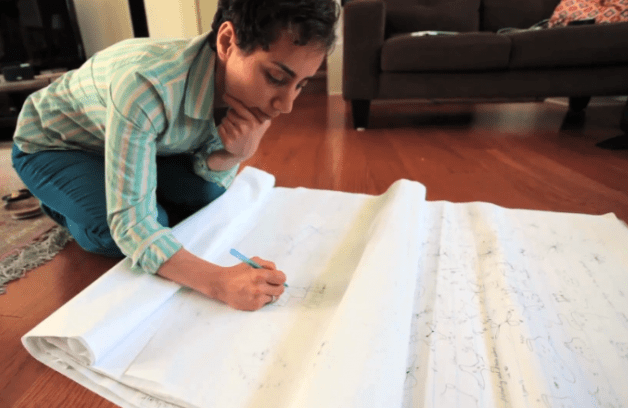
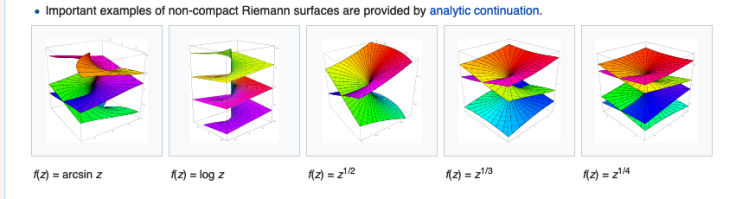
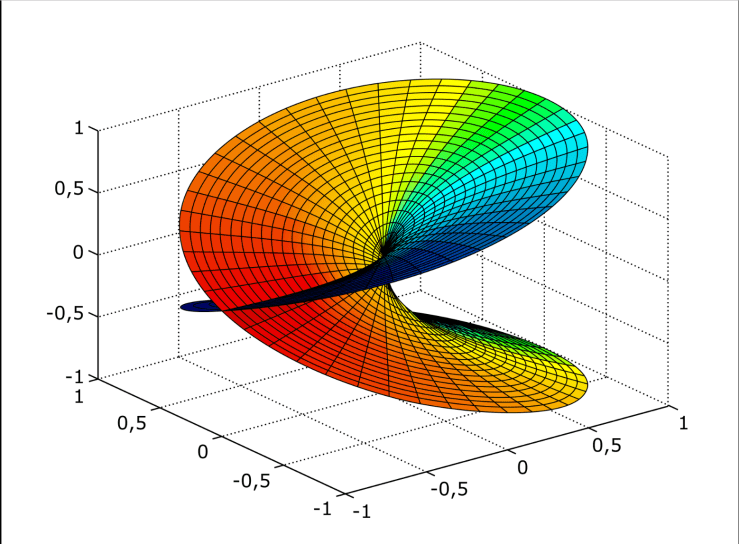
When diving into the LOC archives I came across a collection of archived blogs that celebrated math and science. One that I enjoyed was “grandmama’s in stem” where it went out to prove against the saying “my grandma could do that” implying a lack of knowledge and know how. To counter the saying the author posted submissions about various women in stem – although I disagree with her being a grandma [was only a mother at the time of her passing, and also passed at a young 40 due to breast cancer] I was inspired to dig deeper and learn more about Riemann Surfaces.